Trade Show Exhibitor Survey 2022
 Karin Roberts : Thu, Apr 13, 2023
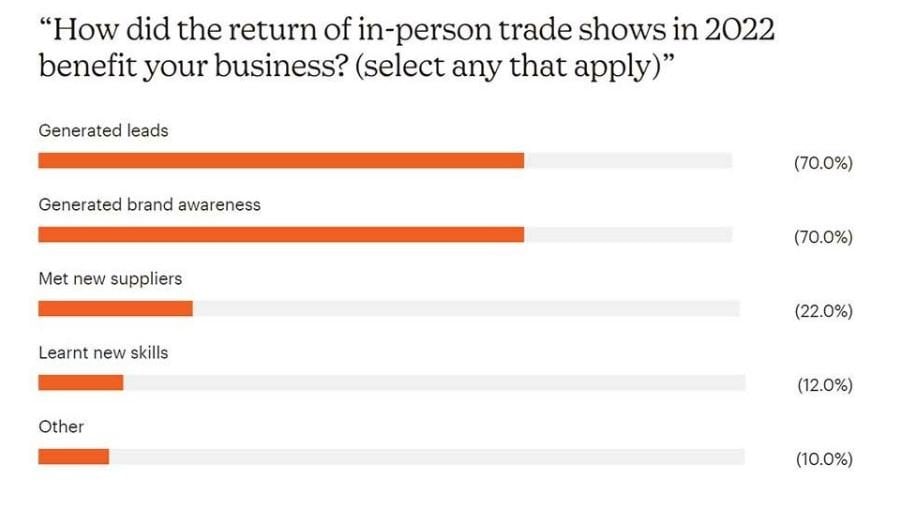
The return of real trade show events – with 95% of respondents preferring in-person to virtual events. So get your strategic plan in place for your...

Reducing food waste in the events and hospitality industry may seem daunting, but it is achievable. By taking proactive steps, you can plan menus for events of any size, whether for 100 or 10,000 attendees, that significantly reduce waste while setting a positive example for the rest of the industry. Food waste is a pressing social, economic and environmental issue that affects us all. As an event planner, you’re uniquely positioned to influence how menus are designed, which in turn helps reduce food waste. In a recent Meetings Today webinar, “Food Waste: How You Can Help Lessen One of Our Industry’s Most Vexing Issues,” Meet Green’s Nancy Zavada, our company founder, led the discussion, and with her vast experience and insight, she provides practical strategies for reducing food waste in event planning.
As event planners, we often feel pressure to avoid running out of food, leading to over-ordering and food waste. Understanding that “Waste is both a noun and a verb“ is crucial here:
Did you know that food waste in landfills creates methane, a potent greenhouse gas? By diverting food waste from landfills, we can significantly reduce our contribution to global greenhouse gas emissions.
Nancy referenced a TED Talk by Dana Gunders from ReFED, “How to Turn Tables on Food Waste,” highlighting that 1 billion meals are wasted globally each year. Dana suggests three key solutions to combat this issue:
Implementing these strategies can go a long way in reducing food waste at events.
In hospitality, food plays a central role. Some of the common concerns Nancy raised include:
These challenges can be addressed by shifting how we approach our event goals and planning processes.
One way to prevent food waste is by modifying how you order food for your event. For example, opting for buffet-style meals allows attendees to choose what they want to eat, which reduces waste. You can also:
Additionally, leftover food from buffets can often be donated to local nonprofits. Familiarizing yourself with the Bill Emerson Good Samaritan Food Donation Act, which allows for legal event food donation, can help, and you can also educate your vendors on how to support your goals.
Work with chefs to incorporate creative strategies for minimizing waste. Examples include:
Pacific Coast Food Waste Commitment’s "Best Practices for Hospitality Teams to Reduce Food Waste at Events (Fall 2023)" research identified several common food items that often go to waste at events.

One striking example is bread: In an event with 230 participants, 54% of the bread was wasted. By eliminating bread service for a year, they could have saved 17,000 dinner rolls from going to landfills.
In conclusion, reducing food waste in the events and hospitality industry is not only a feasible goal but a necessary one. By rethinking traditional practices and embracing innovative strategies, event planners can significantly minimize waste, benefiting both the environment and their bottom line. From careful menu planning and creative use of ingredients to understanding and leveraging food donation laws, there are numerous ways to make a positive impact. As industry leaders, it is our responsibility to set a standard for sustainability, ensuring that our events are not only memorable but also mindful of the planet. By taking these steps, we can lead the charge in transforming the hospitality industry into a model of environmental stewardship.
Guest Blogger: Justine Pretorious. Justine Pretorius is the digital marketing manager for MeetGreen, a leading sustainable event management agency helping organizations produce events to deliver targeted business results. https://www.meetingstoday.com/articles/145168/how-event-industry-can-reduce-food-waste

 Karin Roberts : Thu, Apr 13, 2023
The return of real trade show events – with 95% of respondents preferring in-person to virtual events. So get your strategic plan in place for your...
 Karin Roberts : Tue, Jun 18, 2024
Here are 5 technology alternatives that will change the trade show industry and how you work your booth.
 Karin Roberts : Tue, Jul 19, 2022
Managing a trade show strategy at an event is a big responsibility. Know how to manage your booth staff and any new prospects that come along.