10 in 10: Technologies That Changed Trade Shows Over the Last Decade
 Karin Roberts : Tue, Sep 10, 2019
10 technologies that have changed trade shows over the last 10 years and how you should incorporate these into your booth.
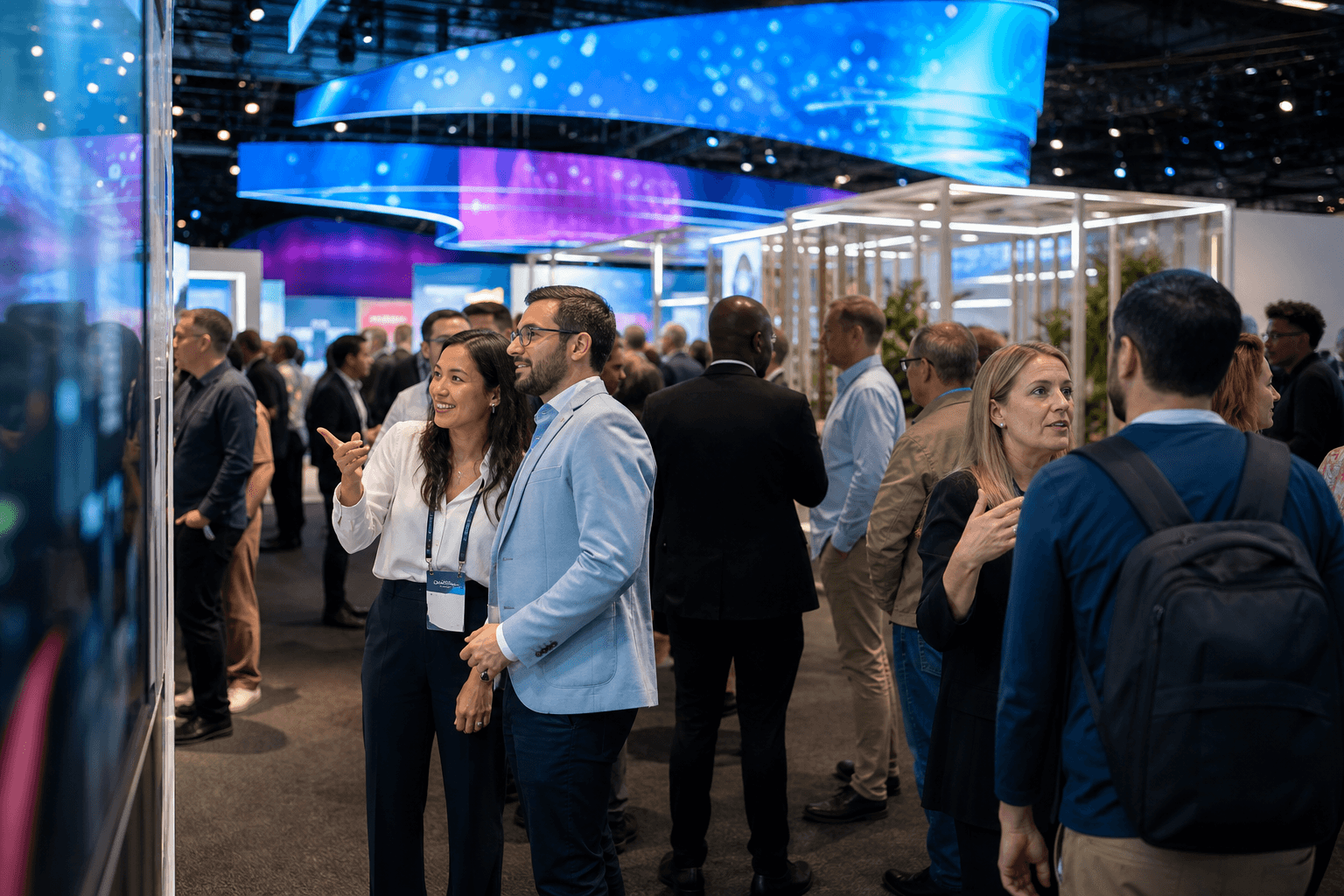
Attendees are more selective with their time. Marketing budgets are under greater scrutiny. Decision-makers expect measurable results rather than simply collecting business cards. At the same time, technology, sustainability initiatives, and changing buyer behaviors are reshaping what successful exhibiting looks like. In 2026, the companies that outperform their competition won't necessarily have the largest booths—they'll have the smartest experiences. Today's most effective exhibits combine behavioral psychology, immersive design, artificial intelligence, sustainable construction, and data-driven marketing to create environments that people want to explore and remember.
Despite the growth of digital marketing, face-to-face interaction remains one of the most effective ways to build trust and accelerate purchasing decisions.
Trade shows allow companies to:
The difference in 2026 is that attendees expect far more than brochures and product displays.
They expect experiences.
Artificial intelligence is becoming one of the biggest competitive advantages for exhibitors.
Instead of relying on intuition, companies can now make smarter decisions before, during, and after an event.
Rather than replacing human interaction, AI gives booth teams better information so they can have more meaningful conversations.
Imagine knowing which prospects visited your booth multiple times, what products they explored, and which demonstrations held their attention the longest. That information allows sales teams to prioritize follow-up based on actual buying behavior—not guesswork.
Products rarely sell themselves.
Stories do.
The most successful exhibits in 2026 guide visitors through a carefully designed journey instead of presenting disconnected displays.
Great booth storytelling answers three questions:
What problem do you solve?
Why should visitors care?
How does your solution improve their business?
Instead of filling every wall with text, exhibitors are using layered messaging, graphics, lighting, video, demonstrations, and conversations to create an emotional connection.
People remember experiences far longer than specifications.
Attention has become one of the most valuable currencies on a busy show floor.
Modern exhibit design focuses on creating environments that invite participation.
Popular engagement strategies include:
These features aren't simply "cool technology."
They encourage visitors to stay longer, interact more deeply, and retain more information about your brand.
The longer someone stays in your booth, the greater the opportunity for meaningful conversation.
Sustainability is no longer just a marketing message.
It's becoming an expectation.
Many convention centers and event organizers are implementing new environmental initiatives, while exhibitors are looking for ways to reduce waste without sacrificing impact.
Leading companies are embracing:
A well-designed rental exhibit can often provide the visual impact of a custom booth while dramatically reducing waste, transportation costs, and storage expenses.
Sustainability isn't simply good for the environment—it often improves the bottom line.
Great exhibit design isn't accidental.
It's based on understanding how people naturally move through space.
Behavioral design uses psychology to influence visitor flow and encourage interaction.
Successful booths often feature:
Every design decision influences whether attendees stop—or keep walking.
The best exhibits make visitors feel welcomed before anyone says hello.
For years, trade show success was measured by one number:
How many leads did we collect?
Today, exhibitors are tracking much more meaningful data.
Modern performance metrics include:
The companies seeing the strongest results treat trade shows as part of a complete customer journey—not a three-day event.
Several industries continue to push exhibit innovation faster than others.
Technology companies are leading the way with AI integration, immersive demonstrations, and personalized attendee experiences.
Manufacturers are using digital twins, live equipment simulations, and interactive product demonstrations to simplify complex solutions.
Healthcare exhibitors are combining education with immersive learning environments that help visitors better understand procedures, devices, and patient outcomes.
Energy companies are embracing sustainability messaging while using digital visualization tools to explain large-scale infrastructure and technical solutions.
These industries are setting expectations that will eventually influence nearly every trade show sector.
The most significant trends include AI-powered analytics, experiential booth design, sustainability initiatives, behavioral psychology in exhibit layouts, immersive technology, and improved measurement of event ROI.
Exhibitors are under increasing pressure to reduce waste while controlling costs. Rental exhibits, reusable components, digital collateral, and modular construction help companies meet environmental goals while improving budget efficiency.
Successful booths combine strong visual design with interactive experiences and clear messaging.
Focus on creating an inviting environment where visitors can participate—not just observe.
Interactive demonstrations, LED displays, hospitality areas, live presentations, and personalized conversations consistently outperform passive displays.
Technology, manufacturing, healthcare, energy, automation, and advanced industrial companies continue to drive innovation in exhibit design, digital engagement, and event technology.
Winning on the trade show floor no longer depends solely on booth size or budget.
Success comes from creating memorable experiences that connect with attendees on both an emotional and practical level.
The strongest exhibitors will embrace:
Trade shows remain one of the most powerful marketing investments available—but only when every square foot is designed with purpose.
As attendee expectations continue to evolve, exhibitors who adapt to these trends will not only attract more visitors—they'll build stronger relationships, generate higher-quality leads, and create measurable business growth long after the show floor closes.
At The Tradeshow Network, we believe every exhibit should do more than occupy space—it should influence behavior, tell a compelling story, and generate measurable results.
From modular rental exhibits and custom booth design to logistics, show services, and strategic exhibit planning, our team helps companies create trade show experiences that stand out in today's competitive event landscape.
Whether you're exhibiting at your first event or managing a national trade show program, we partner with you to build smarter exhibits that maximize both impact and ROI.

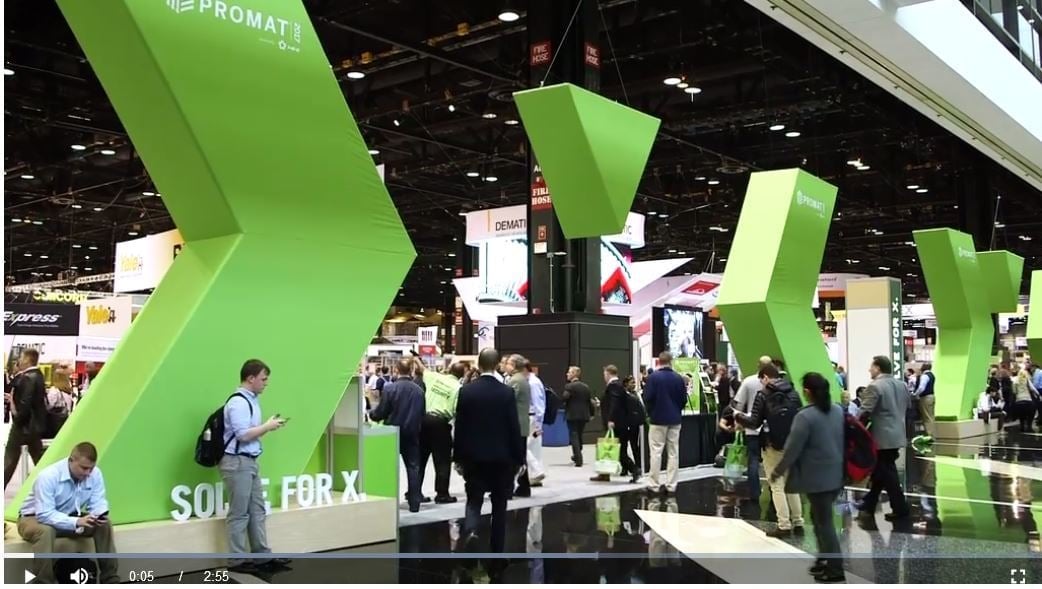 Karin Roberts : Tue, Sep 10, 2019
10 technologies that have changed trade shows over the last 10 years and how you should incorporate these into your booth.
 Karin Roberts : Thu, Jun 05, 2025
Stay updated with the latest trade show event industry trends, including cost-saving strategies, AI adoption, and the importance of advanced AV...
 Karin Roberts : Tue, May 20, 2025
Overview of key trade show and event associations in North America, highlighting the industry's diverse organizations and the need for unified...