1 min read
Checklist: 10 Things To Do As Soon As Your Event Ends
The work doesn't end just because the guests are gone. Before you take a much-deserved break, here are some key things you should do as soon as the...
3 min read
Karin Roberts
:
September 15, 2026
Trade shows are a big investment. Between exhibit design, booth space, graphics, shipping, labor, travel, marketing, and the countless details that have to come together before the show opens, exhibiting can represent a significant commitment of time and money. So how do you make sure that investment is working as hard as it can? It starts with having a better strategy.
Your exhibit is one of the most visible parts of your trade show program, but a successful show involves much more than what happens inside your booth.
The most successful exhibitors think about the entire experience—from planning and pre-show marketing to booth design, visitor engagement, lead generation, and follow-up after the show.
A great-looking exhibit can attract attention, but what happens next is what can turn that attention into meaningful business opportunities.
That's why staying informed about what's working in the trade show industry matters.
One of the biggest mistakes exhibitors make is waiting too long to start planning.
Trade show success begins months before the show floor opens.
Important decisions include:
The earlier these decisions are made, the more opportunities you have to create a cohesive trade show strategy rather than simply trying to get everything done before move-in.
Your booth needs to do more than look good.
It needs to communicate.
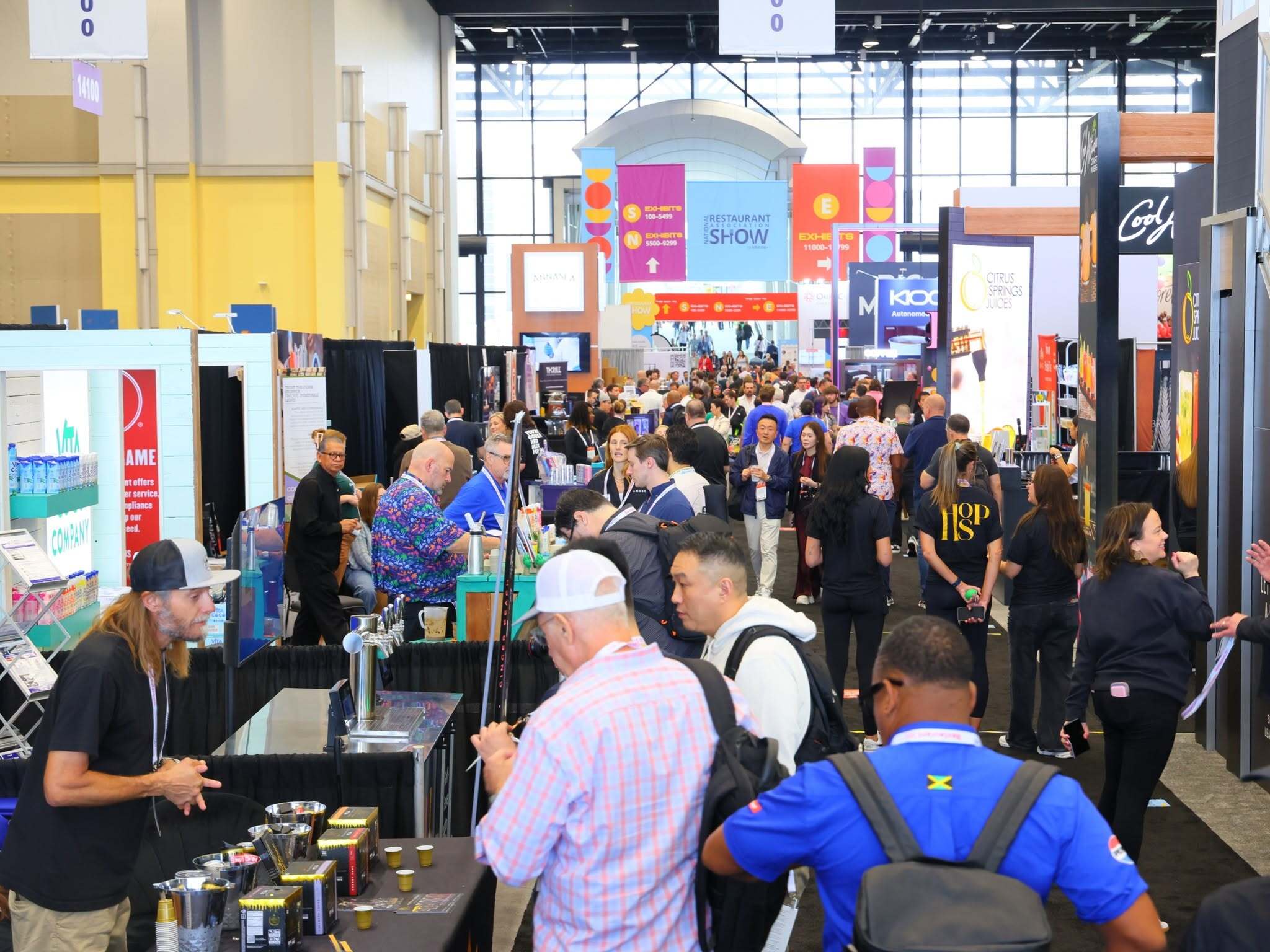
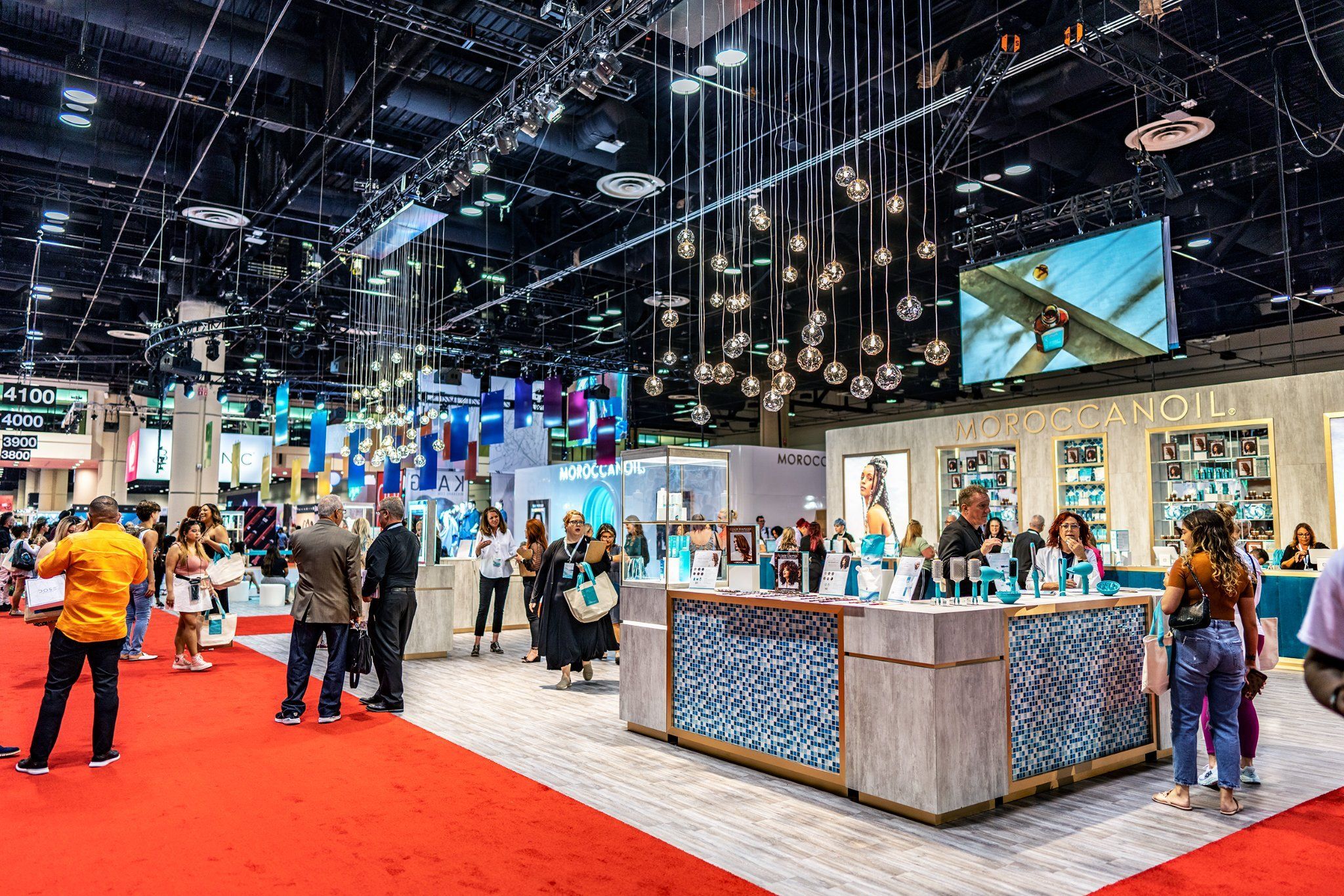
Visitors walking down a busy aisle may only give your exhibit a few seconds of attention. Your graphics, messaging, layout, lighting, demonstrations, and overall design need to quickly answer an important question:
Why should I stop here?
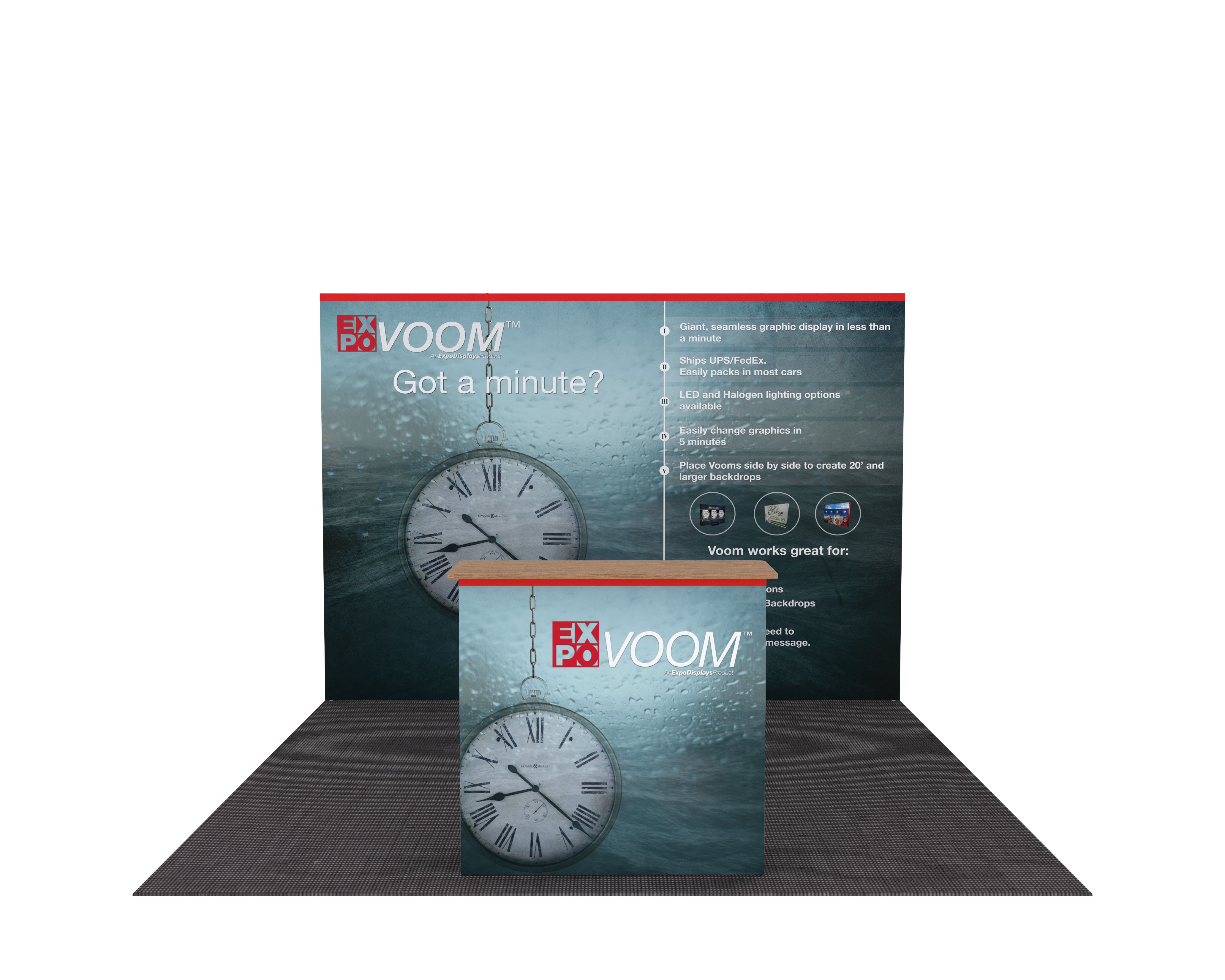
Smart exhibit design considers traffic flow, visibility, branding, messaging, meeting space, product presentation, storage, technology, and how your staff will interact with visitors.
Whether you're exhibiting in a 10x20, 20x20, larger island exhibit, or another configuration, the goal is the same: make the space work for your objectives.
Getting people into your booth is only the beginning, but you can't have meaningful conversations if people walk right past you.
There are many ways exhibitors can increase booth traffic, including:
The key is to give attendees a reason to engage.
Instead of asking, "How can we get more people into our booth?" ask: "What would make someone walking down the aisle want to stop?"
That simple change in perspective can improve your entire approach to exhibit marketing.
Your trade show program doesn't begin when the exhibit arrives at the convention center—and it doesn't end when the show closes.
There are opportunities before, during, and after every event.
Before the show, you can build awareness and schedule meetings.
During the show, you can engage attendees, demonstrate products, gather leads, and strengthen relationships.
After the show, your follow-up strategy determines what happens with those leads.
Without effective follow-up, even a successful trade show can produce disappointing results.
Not every company needs the same type of exhibit—and your exhibit strategy may change from show to show.
For some exhibitors, purchasing a custom exhibit makes sense. For others, a rental exhibit provides the flexibility to create a professional, customized environment without committing to a permanent structure.
Rental exhibits can also make sense for companies exhibiting at multiple shows with different booth sizes, companies entering new markets, or organizations looking for a way to refresh their exhibit program.
The important thing isn't simply choosing rental or purchase.
It's choosing the solution that makes sense for your trade show program, budget, objectives, and schedule.
The trade show industry continues to change.
Exhibit design trends evolve. Technology changes. Attendee expectations change. Marketing strategies change. Shows themselves change.
What worked five years ago—or even last year—may not be the best approach today.
That's why we believe exhibitors should continually look for new ideas and practical ways to improve their trade show programs.
And that's exactly what we want our Trade Show Insights to provide.
Trade shows are a big investment. You shouldn't have to figure everything out on your own.
Join our Trade Show Insights and receive our latest articles, tips, trends, and strategies delivered every other week.
You'll get practical ideas covering:
Practical advice. Industry insights. Every week.
No spam. Just useful trade show ideas, delivered twice a week.
Your next show is an opportunity to do more than simply show up.
Plan better. Design smarter. Engage more visitors. Generate better leads. And continually look for ways to make your trade show investment work harder.
Subscribe to Trade Show Insights and let's make your next trade show count.
1 min read
The work doesn't end just because the guests are gone. Before you take a much-deserved break, here are some key things you should do as soon as the...
1 min read
With a busy events schedule, it’s easy for marketing teams to become fully focused on the planning and logistics of exhibiting, and lose sight of...
1 min read
Our words matter. We often use them at our events or in our teams to communicate ideas, convey passion, express creativity, articulate...