The Complete Guide to Rental Exhibit Cost Planning
 Karin Roberts : Tue, Sep 22, 2026
Plan your rental exhibit budget with confidence. This guide covers cost categories, hidden fees, drayage, and contingency strategies.

Running four or more trade shows per year forces a question that most exhibitors answer with gut instinct rather than data: should you rent exhibits, build custom, or blend both approaches across your program? The math changes at every show, and the cost drivers hiding inside each model can quietly wreck an annual budget if you don't map them out in advance.
This comparison breaks down where rental and custom exhibit budgeting actually diverges for multi-show programs, what cost categories trip up experienced trade show managers, and how to plan a coordinated exhibit program with The Tradeshow Network Marketing Group.
The Tradeshow Network Marketing Group is a full-service exhibit house based in St. Charles, Illinois, that has designed, fabricated, shipped, and installed trade show exhibits since 1992. TTNMG specializes in turnkey rental exhibits and custom builds for inline and island configurations, managing the entire process through a single point of contact and a single invoice.
Pros:
Cons:
The Tradeshow Network Marketing Group structures its rental exhibit cost planning around a single turnkey number that covers design, graphics, freight, labor, and storage. That bundled approach makes forecasting straightforward when you're mapping expenses across four, six, or ten shows in a calendar year.
TTNMG's modular aluminum frame systems are built to reconfigure across multiple booth sizes from the same structural inventory. A 20x20 island at one show can ship back, get reconfigured, and arrive as a 10x20 inline at the next event using the same crates and components.
Graphics refresh cycles are one of the most underestimated cost drivers in a multi-show exhibit program. TTNMG includes complimentary graphics storage for a minimum of twelve months after each show, inspecting and crating panels when they return to the warehouse.
TTNMG returns an initial concept and firm cost estimate within one business day of receiving your booth size, show date, and budget range. The full exhibit design process from brief to build-ready concept moves through structured milestones, with island exhibits typically requiring six to eight weeks.
For exhibitors juggling multiple shows, on-site execution consistency matters as much as the booth itself. TTNMG assigns a single project manager who coordinates install, dismantle, rigging, drayage, and labor at every venue on your calendar, which is especially valuable at union-heavy Chicago venues like McCormick Place.
The real budgeting challenge in multi-show exhibit programs is not the booth itself. It is the accumulation of freight, drayage, graphics refresh, storage, and labor coordination costs that compound across every stop on your show calendar. The Tradeshow Network Marketing Group addresses that challenge by consolidating the entire exhibit process into a single turnkey relationship with transparent, bundled pricing.
TTNMG's reconfigurable modular exhibit systems mean one structural investment adapts to different booth sizes throughout your season. Lightweight aluminum extrusion frames reduce drayage costs at every venue, and complimentary graphics storage eliminates the warehousing line item that quietly inflates program budgets between shows.
For trade show managers and event marketers running programs across three, five, or ten shows per year, working with an exhibit house that treats budget predictability as a design principle changes the planning conversation entirely. If you're mapping out your next show season, contact The Tradeshow Network Marketing Group to get a concept and a real number back in one business day.
The decision depends on how many shows you attend annually, how often your booth size changes, and your capital budget. If you run three or more shows with varying footprints, rental or modular hybrid programs from The Tradeshow Network Marketing Group give you flexibility without ownership overhead.
Drayage, electrical, internet, labor overtime, and graphics replacement are the most common surprises. According to a 2026 CEIR report on exhibitor spending, exhibit space accounts for 40.5% of total direct spend, but show services and logistics consume a substantial share that exhibitors often underestimate.
Yes. TTNMG combines rental structures with custom graphics, lightboxes, LED technology, counters, meeting spaces, and hanging signs. The finished exhibit is designed around your brand rather than looking like a standard kit pulled off a shelf.
Industry benchmarks suggest the break-even point typically falls between three and five shows per year with a stable footprint. If your booth size changes frequently, renting often remains cost-effective beyond that range because you avoid paying for structure that sits in storage unused.
The Tradeshow Network Marketing Group stores your graphics in its warehouse for a minimum of twelve months at no additional cost. When your next show date arrives, the team pulls your panels from storage, inspects them, and ships them to the venue.
Drayage is the fee venues charge to move your crates from the loading dock to your booth space and back. For multi-show programs, drayage compounds at every stop. Lighter modular and rental exhibit systems from TTNMG reduce weight per shipment, which directly lowers this line item across your entire show calendar.

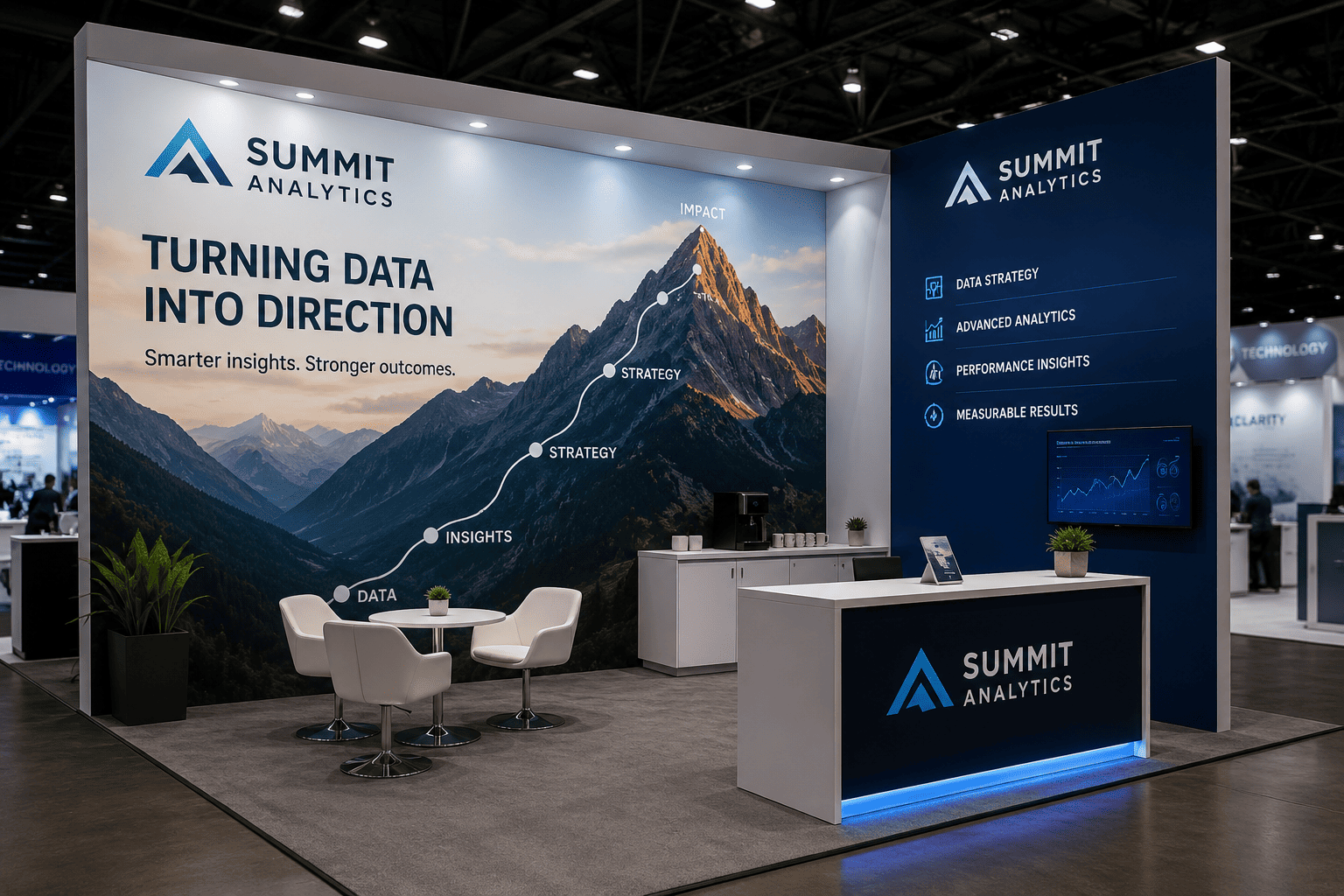 Karin Roberts : Tue, Sep 22, 2026
Plan your rental exhibit budget with confidence. This guide covers cost categories, hidden fees, drayage, and contingency strategies.
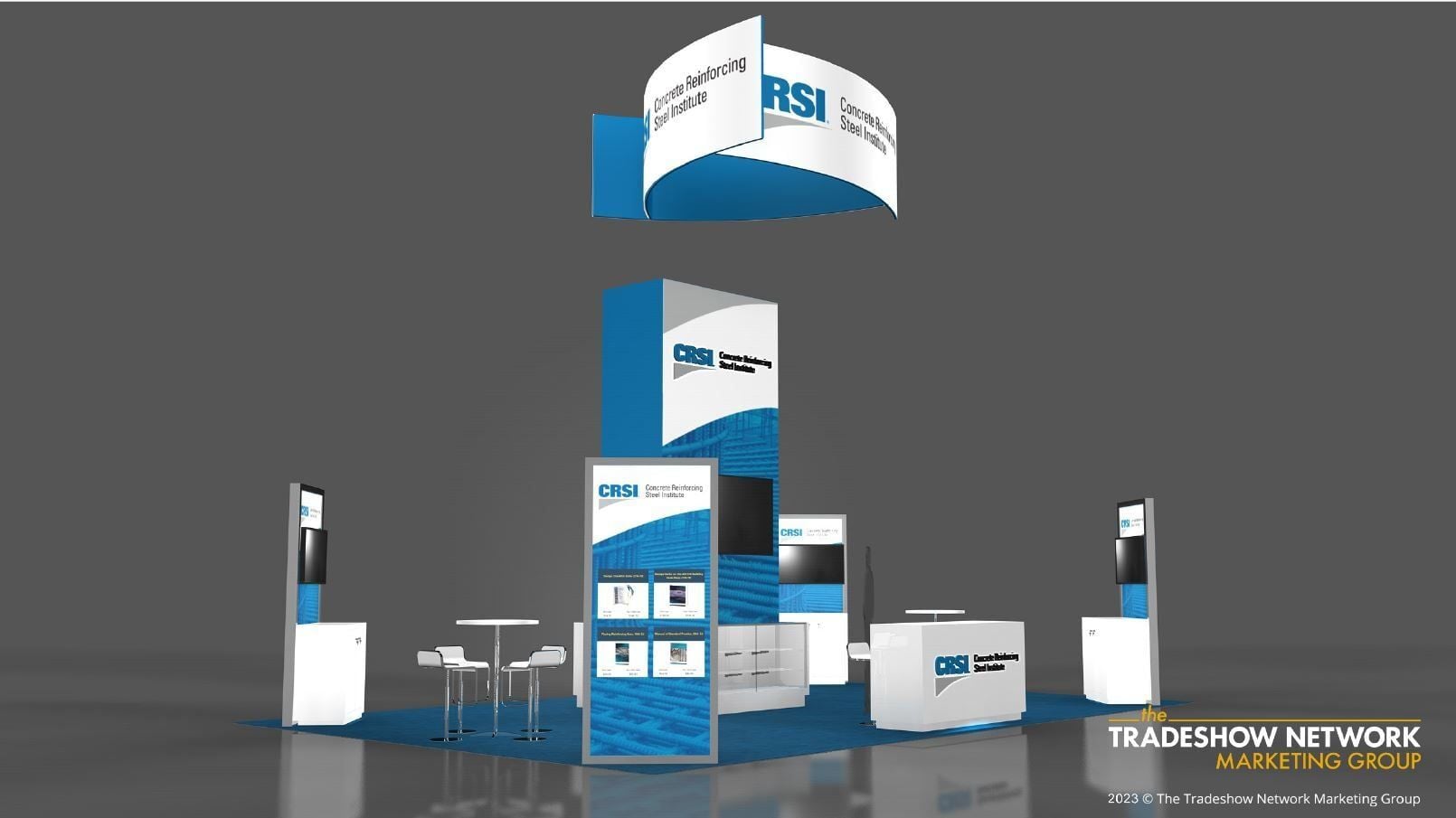 Karin Roberts : Thu, Feb 19, 2026
Maximize trade show impact with custom rental booths. Discover strategies for effective design, audience engagement, and making lasting connections...
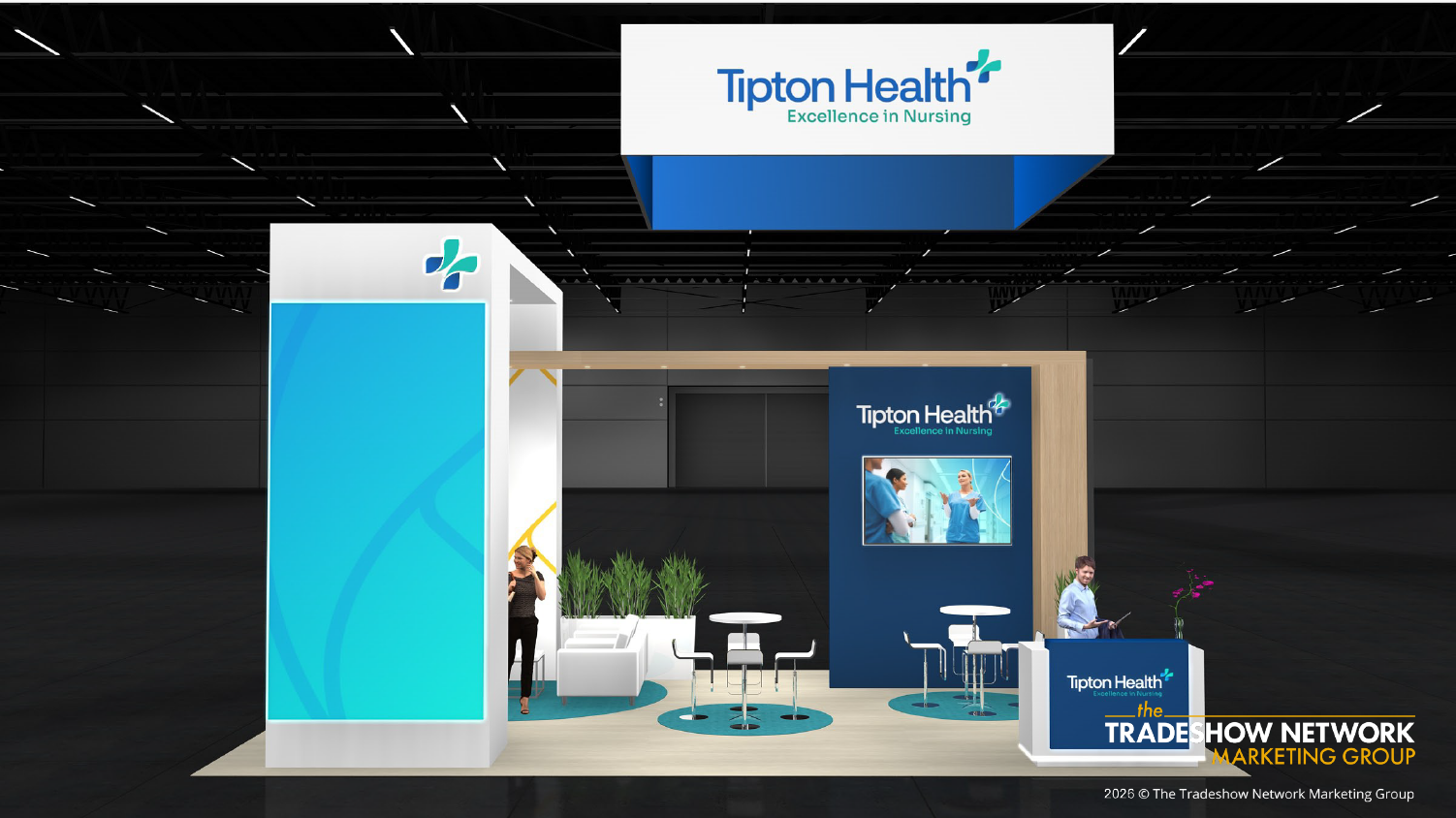 Karin Roberts : Tue, Oct 27, 2026
Learn the 8 most common reasons trade show exhibit rentals go wrong for first-time exhibitors, plus how to avoid budget, design, and logistics...