The Complete Guide to Rental Exhibit Cost Planning
 Karin Roberts : Tue, Sep 22, 2026
Plan your rental exhibit budget with confidence. This guide covers cost categories, hidden fees, drayage, and contingency strategies.
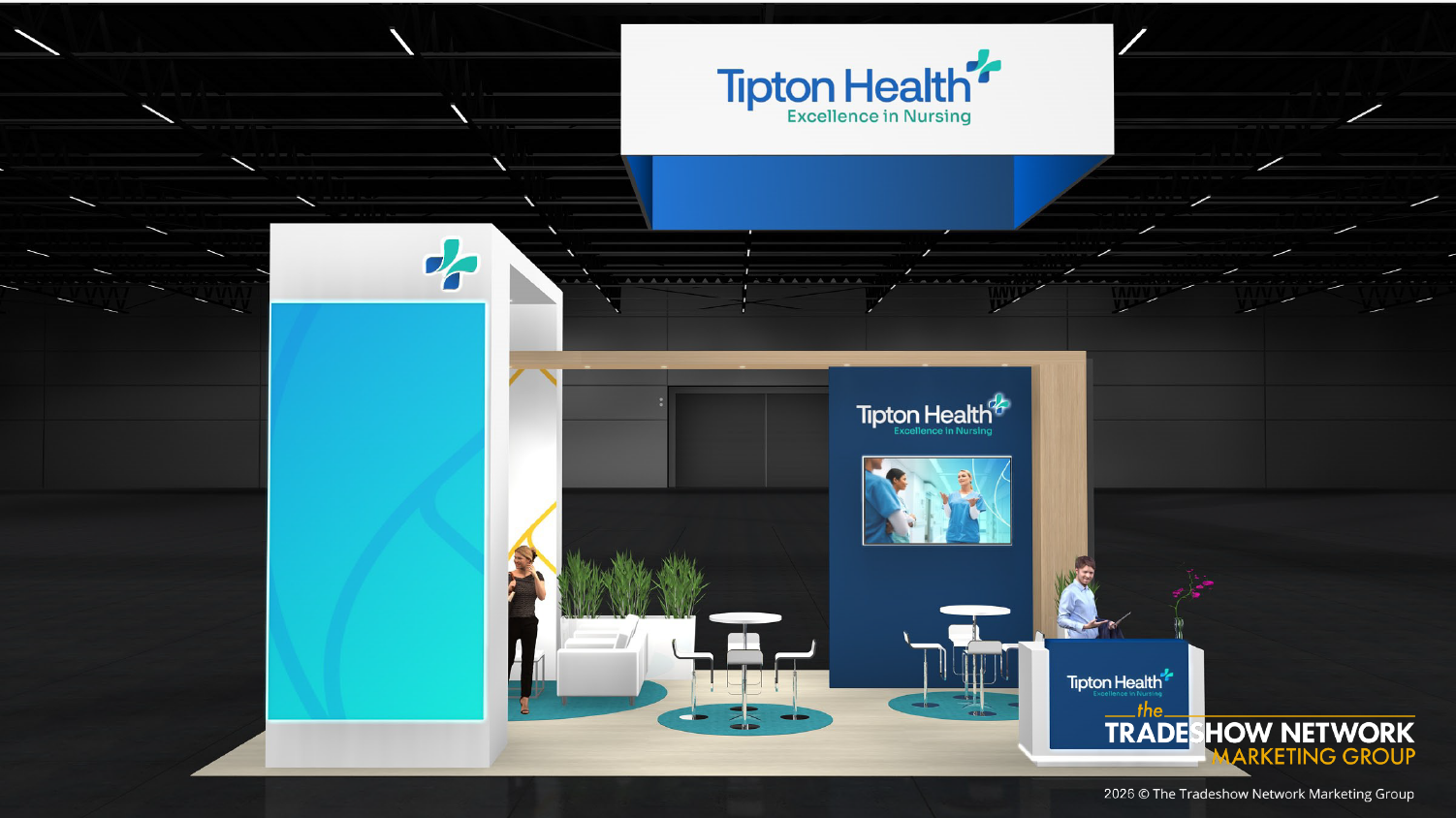
Your first trade show rental should be a smart investment, not a source of regret. Yet many exhibitors walk away from their debut events frustrated by budget overruns, underwhelming booth designs, and logistical chaos they never saw coming. The Tradeshow Network Marketing Group helps exhibitors avoid these costly headaches by managing exhibit design, logistics, and execution from start to finish.
This article breaks down the key reasons trade show exhibit rentals go wrong for first-time exhibitors. You'll find practical advice on budgeting, booth design, vendor selection, show floor logistics, and post-show follow-up so you can sidestep the most common traps.
 opens.
Booth rental fees are only part of the equation. Drayage, electrical, rigging, carpet, and on-site labor can double your initial quote. First-time exhibitors often lock in a rental price and assume that number covers everything.
It doesn't. Request a line-by-line budget from your exhibit partner that includes every show service charge. Build in a 15% contingency fund to absorb surprises. According to CEIR's 2026 Marketing Spend Decision Report, exhibitors now dedicate 40.8% of their B2B marketing budgets to exhibitions, so getting the cost picture right is critical.
A low upfront quote can mask hidden fees for design revisions, overtime labor, and last-minute shipping surcharges. Some vendors pad their profits on the back end, leaving you with a final invoice that bears little resemblance to the original estimate.
Ask for references, review past project photos, and confirm exactly what's included in the quote. A partner who offers show service coordination as part of the package is far less likely to hand you a surprise bill at teardown. Transparent, all-in pricing protects both your budget and your sanity.
Rushed timelines force compromises on booth design, graphics quality, and shipping methods. When you're scrambling six weeks before show day, you lose negotiating power with freight carriers and show contractors.
Begin your rental planning at least four to six months before the event. This gives your team time to finalize messaging, approve exhibit graphics, and coordinate every detail with the venue. Early planning also opens up better booth location options on the floor plan and keeps rush fees from inflating your budget.
A rental booth with vague headlines and generic imagery blends into the background. Attendees make split-second decisions about which booths deserve their time. If your messaging doesn't answer "what do you do and why should I care?" in under five seconds, they'll keep walking.
Work with your exhibit house to build a design around one clear message and a single call to action. TTNMG starts every exhibit design project with a business review that aligns your booth visuals, messaging, and layout with your show floor objectives.
Drayage is the process of moving your exhibit materials from the loading dock to your booth space and back again. It's one of the largest line items on a show services bill, and most first-timers don't account for it.
Ask your general contractor for the drayage rate per hundred pounds, then calculate the total weight of your rental exhibit package, including crates and packing materials. Lightweight options like tension fabric systems and modular exhibits can reduce both weight and material handling costs.
Your booth staff are the face of your company on the show floor. Sending team members who haven't been briefed on your value proposition, lead qualification process, or demo flow wastes every dollar you spent getting to the event.
Train your booth team at least two weeks before the show. Define who greets visitors, who runs demos, and who qualifies leads. Rehearse a 30-second elevator pitch that connects your product to the attendee's pain point. An engaged, knowledgeable team converts more conversations into follow-up meetings.
Even a well-designed rental exhibit will underperform if nobody knows it's there. Many first-time exhibitors treat their booth as a standalone effort and hope walk-by traffic will fill their pipeline.
Launch a pre-show email campaign six to eight weeks out. Post your booth number and a teaser of what you'll be showing on social media. Reach out directly to key prospects you know will attend. This coordinated approach drives intentional visitors to your space, rather than leaving results to chance.
Industry research consistently shows that a large percentage of trade show leads never receive a single follow-up contact. That means the money you invested in your rental exhibit, travel, and staffing produces zero return if your sales team doesn't act quickly.
Set up a follow-up workflow before the event starts. Assign leads to specific sales reps, draft personalized email templates, and establish a 48-hour contact window after the show closes. Quick outreach while the conversation is still fresh dramatically improves conversion rates.
Most of these problems trace back to one root cause: a disconnected process. When design, logistics, and on-site execution are managed by different vendors with different timelines, gaps appear. TTNMG eliminates those gaps by acting as a full-service exhibit partner.
From the initial business review through installation and dismantle, The Tradeshow Network Marketing Group keeps everything under one roof. You get a single point of contact, transparent pricing, and a team that has managed hundreds of rental programs for exhibitors of every size.
If you're preparing for your first trade show or rethinking how you approach rentals, call The Tradeshow Network Marketing Group at (877) 730-5300. A conversation with our team is the fastest way to turn your next event into a growth opportunity instead of a cautionary tale.
Underestimating total costs is the most frequent issue. Many exhibitors budget for the rental fee alone and forget drayage, electrical, labor, and shipping.
Building a detailed line-item budget before signing any contract protects you from sticker shock on show day.
Four to six months is a solid planning window. This timeline gives you room to finalize booth design, approve graphics, and lock in favorable freight rates.
Shorter timelines are possible, but they limit your options and often raise costs.
Yes. Modern rental systems using tension fabric, backlit graphics, and modular aluminum frames look every bit as professional as owned booths.
TTNMG designs rental displays that attendees can't distinguish from a custom build.
Your staff drives the return on every dollar invested in the exhibit. Untrained team members miss qualified leads and fail to communicate your value proposition.
A brief training session on demos, qualifying questions, and your elevator pitch closes that gap.
Choose lightweight materials like fabric graphics and modular frames. Consolidate shipments into fewer crates to reduce per-pound charges.
Working with an exhibit partner experienced in portable displays and lightweight structures helps keep material handling fees down.
Look for transparent pricing, a portfolio of past rental projects, and full-service support covering design, logistics, and on-site execution.
The Tradeshow Network Marketing Group gives exhibitors one point of contact for every phase of the rental process, from concept through teardown.
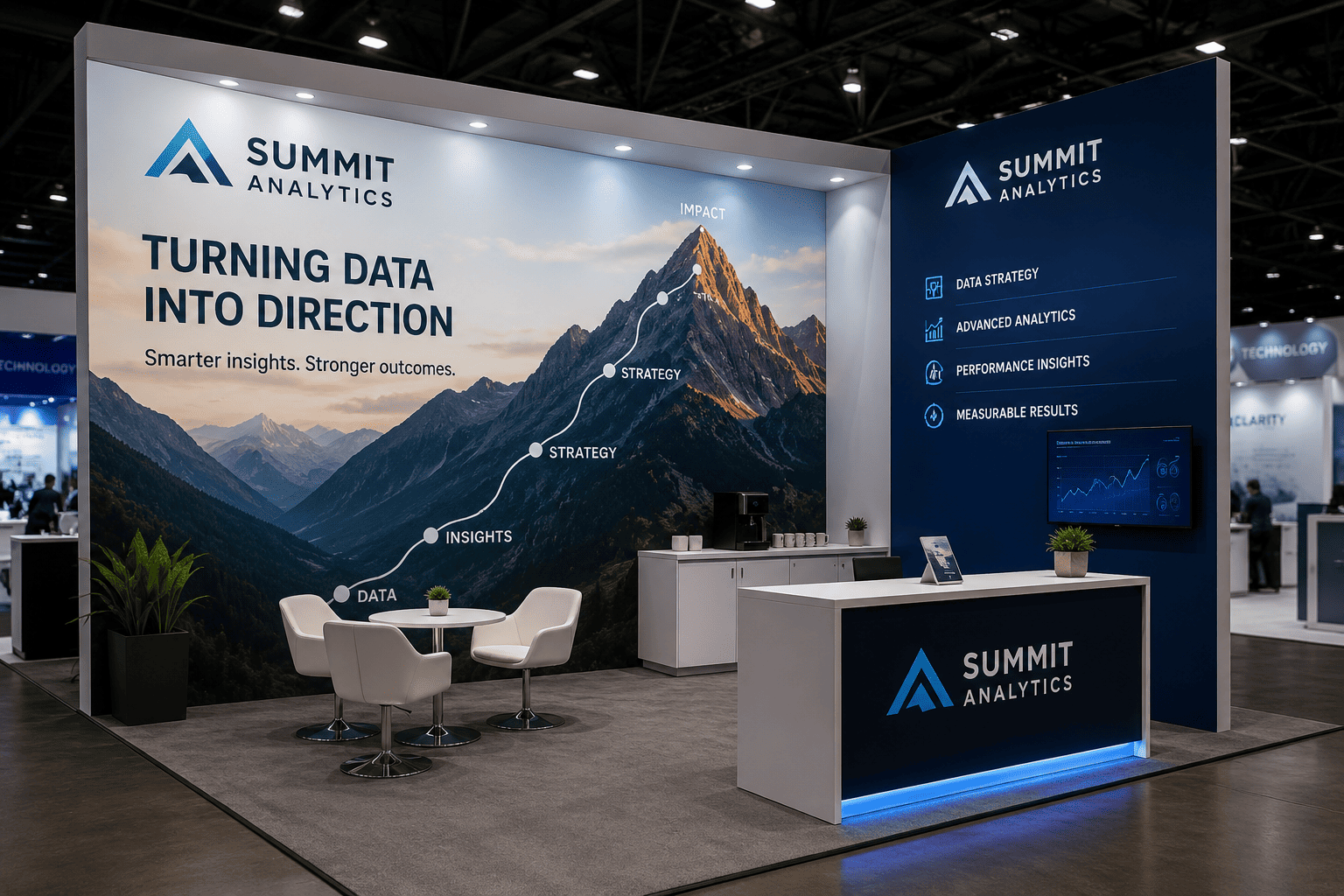 Karin Roberts : Tue, Sep 22, 2026
Plan your rental exhibit budget with confidence. This guide covers cost categories, hidden fees, drayage, and contingency strategies.
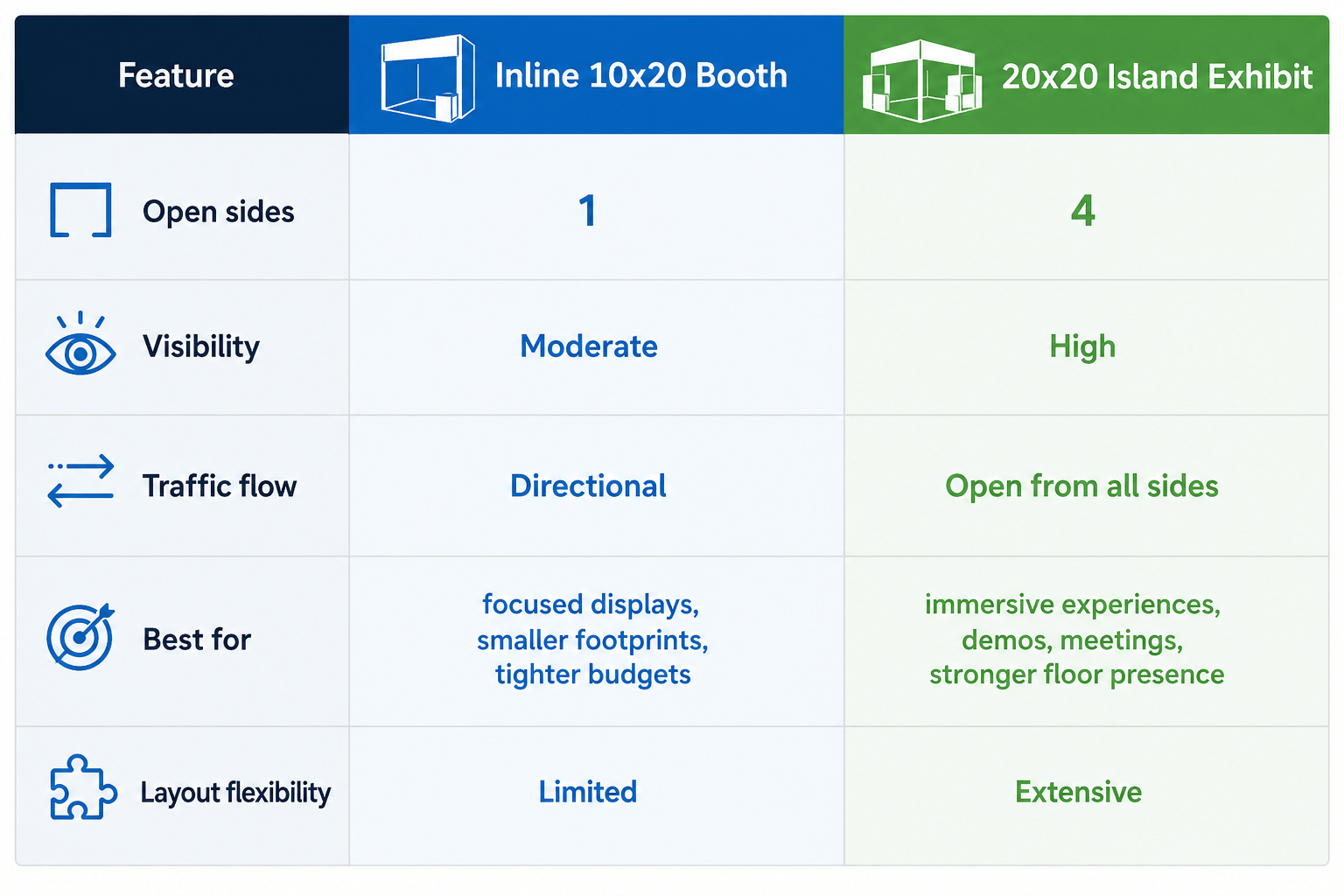 Karin Roberts : Thu, May 14, 2026
Explore custom island exhibits and peninsula booth designs for 20x20 and larger trade show spaces. Compare island vs inline booth layouts, discover...
 Karin Roberts : Tue, Sep 16, 2025
Have a trade show presence with a 20x20 rental exhibit. Discover the benefits of professional design, cost-effective solutions, and enhanced brand...