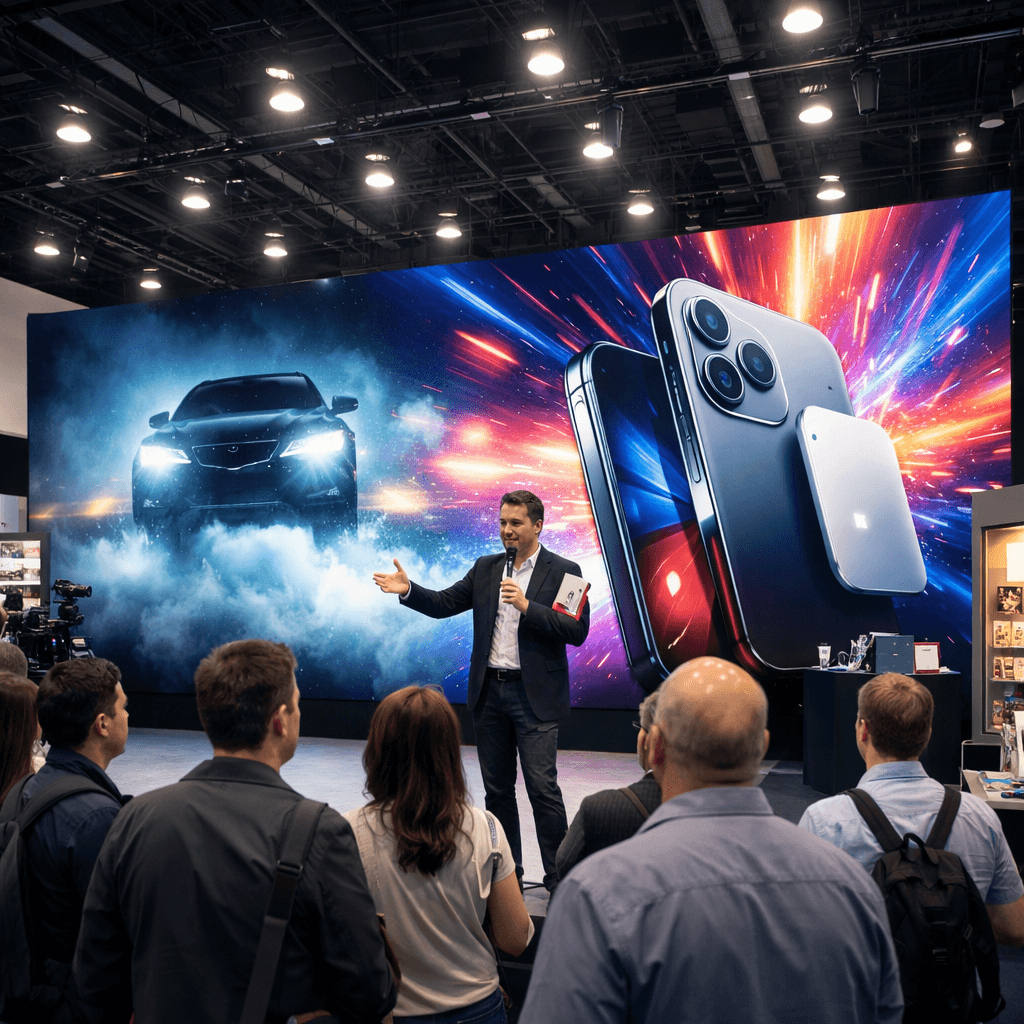
Trade shows are crowded, loud, and competitive. With dozens of booths fighting for the same foot traffic, standing out isn't optional — it's the whole game. Attendees make quick decisions about where to look, what to remember, and which displays are worth exploring. A booth that blends into the background can be overlooked in seconds, while a visually compelling experience can turn a passing attendee into a meaningful conversation.
One of the most effective ways businesses are winning that battle today is with active LED video walls. These displays transform ordinary booth spaces into bold, immersive brand environments that command attention from across the show floor. Bright visuals, seamless motion, and dynamic content give exhibitors a powerful way to showcase products, tell their story, and create an experience people are more likely to remember long after the event ends. For brands looking to attract more visitors and make a stronger impression, active LED technology offers a compelling advantage.
What Is an Active LED Video Wall?
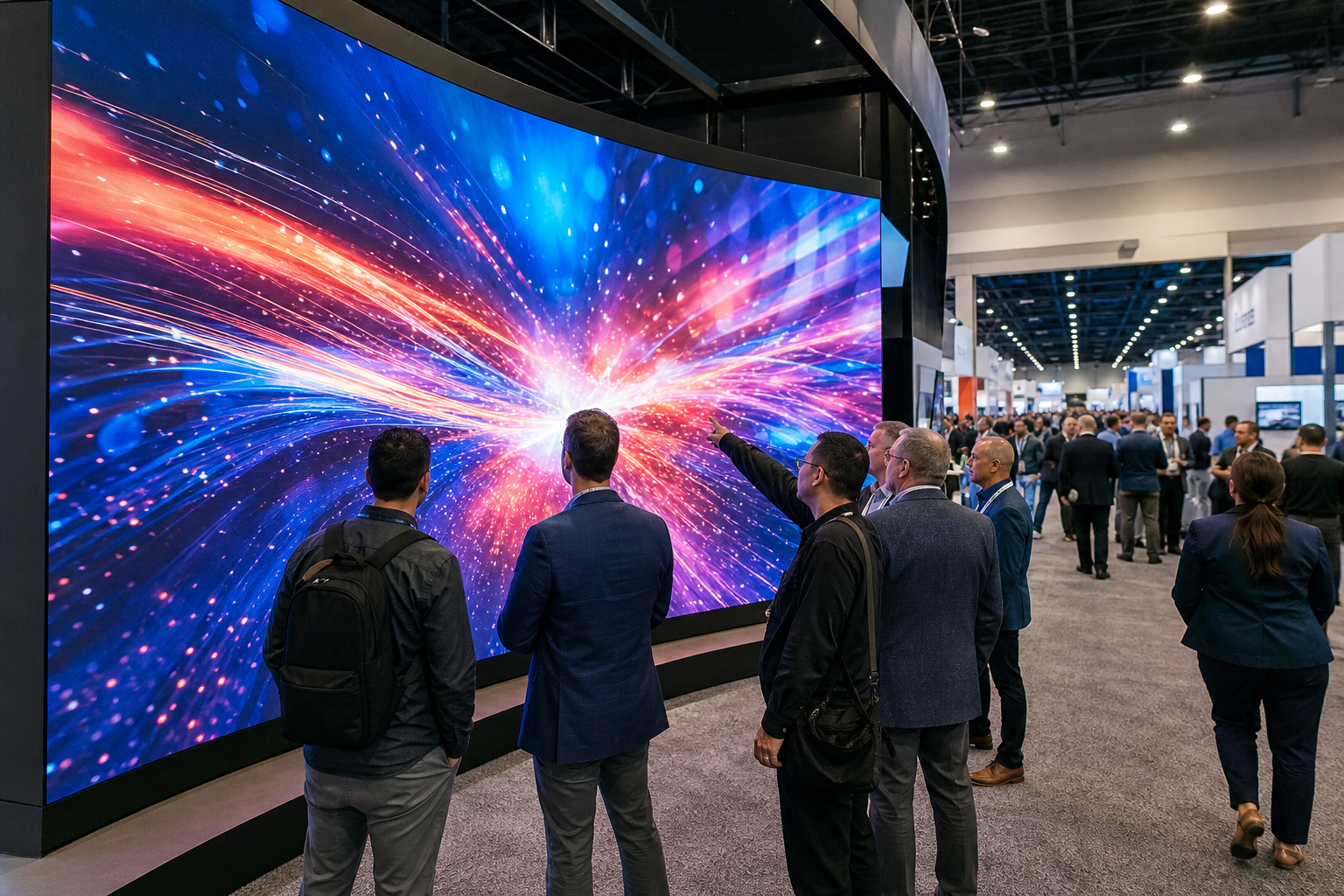
LED stands for Light-Emitting Diode. Active LED video walls are made up of LED panels tiled together to form a completely seamless canvas — no bezels, no visible seams, just one continuous, high-impact display. Because the modules are flexible, curved installations are also possible on both vertical and horizontal surfaces, opening the door to wraparound booths, arched entryways, and other immersive formats that a flat screen simply can't match.
Why LED Walls Grab Attention on the Show Floor
Attendees walk past hundreds of booths in a single day. What makes them stop? Something different. Something interactive. Something exciting. That's exactly what an active LED wall delivers. Bold motion graphics, product demos, and dynamic branding pull people in from across the aisle in a way that static signage or printed banners never could.
The Advantages of Active LED Over LCD
Active LED walls have effectively replaced LCD video walls as the industry standard for large-format displays, and for good reason. Compared to LCD, active LED offers:
- Superior visual appeal with brighter output and stronger contrast
- Higher refresh rates for smoother, sharper motion
- Wider viewing angles so the display looks great from any point in the booth
- A broader color gamut for more vibrant, true-to-brand visuals
- Adaptable splicing to fit nearly any booth footprint or shape
- Reduced moiré for cleaner image quality up close
- Faster switching speeds and a longer product lifespan
- A slimmer form factor that's easier to transport, store, and install
LED walls are also the more environmentally responsible choice. They consume less energy during operation and create fewer environmental consequences at the end of their product life — a meaningful advantage for brands that want their marketing to reflect their values.
A Marketing Tool for Every Industry
LED display walls aren't limited to one type of business — they've become a go-to marketing asset across nearly every sector. From tech and automotive to healthcare and retail, companies are using LED walls to boost consumer engagement and leave a lasting impression on potential clients. As traditional marketing strategies grow increasingly outdated in the face of new technology, LED displays give businesses of every size a way to stay current, stay visible, and stay memorable.
Capturing the attention of a potential client at a trade show doesn't require a massive budget — it requires the right combination of creativity and motivation, paired with a display technology built to make an impact.
Frequently Asked Questions
What is an active LED video wall?
An active LED video wall is a large-format display made up of individual LED panels tiled together without visible bezels, creating one seamless, high-resolution canvas. Unlike passive displays, active LED panels actively emit their own light for brighter, sharper visuals.
How is an LED wall different from an LCD wall?
LED walls offer higher refresh rates, brighter output, wider viewing angles, a broader color gamut, and reduced moiré compared to LCD walls. They're also slimmer, longer-lasting, and more energy efficient, making them the preferred choice for large-format displays today.
Can LED walls be curved or custom-shaped?
Yes. Because LED modules are flexible, they can be installed on curved surfaces — both vertical and horizontal — allowing for wraparound booths, arched displays, and other immersive, non-flat configurations.
Are LED displays worth the investment for a trade show booth?
For most exhibitors, yes. LED walls draw more foot traffic, hold attention longer, and create a more memorable brand impression than static signage or printed graphics — which often translates into stronger lead generation and better ROI on the show floor.
Is LED display technology environmentally friendly?
Compared to LCD, LED walls use less energy during operation and have fewer environmental consequences when disposed of, making them a more sustainable choice for brands that prioritize environmental responsibility.
What industries use LED display walls for marketing?
Nearly all of them. Tech, automotive, healthcare, retail, finance, and entertainment brands all use LED walls to boost engagement at trade shows, conferences, and other live events.
How do I choose the right size or configuration for my booth?
It depends on your booth footprint, budget, and goals. Because LED panels are modular and adaptable to splicing, they can be configured into nearly any size or shape — from a single focal-point screen to a full wraparound wall.
The Bottom Line
Active LED video walls give trade show exhibitors a clear edge: sharper visuals, higher refresh rates, wider viewing angles, adaptable installations, and a smaller environmental footprint than the LCD walls they've replaced. Their flexibility even allows for curved, immersive setups that turn a simple booth into a destination.
In a marketplace where traditional strategies are losing their edge, LED display marketing has become essential. By investing in active LED video walls, businesses can elevate their trade show presence, engage attendees on a deeper level, and turn booth visitors into real business opportunities.