Steps in Designing Your Trade Show Exhibit
 Karin Roberts : Tue, Apr 23, 2024
Trade show exhibit design process with five steps, including pre-planning, discovery, design concept and rendering, proposal, and exhibit building,...

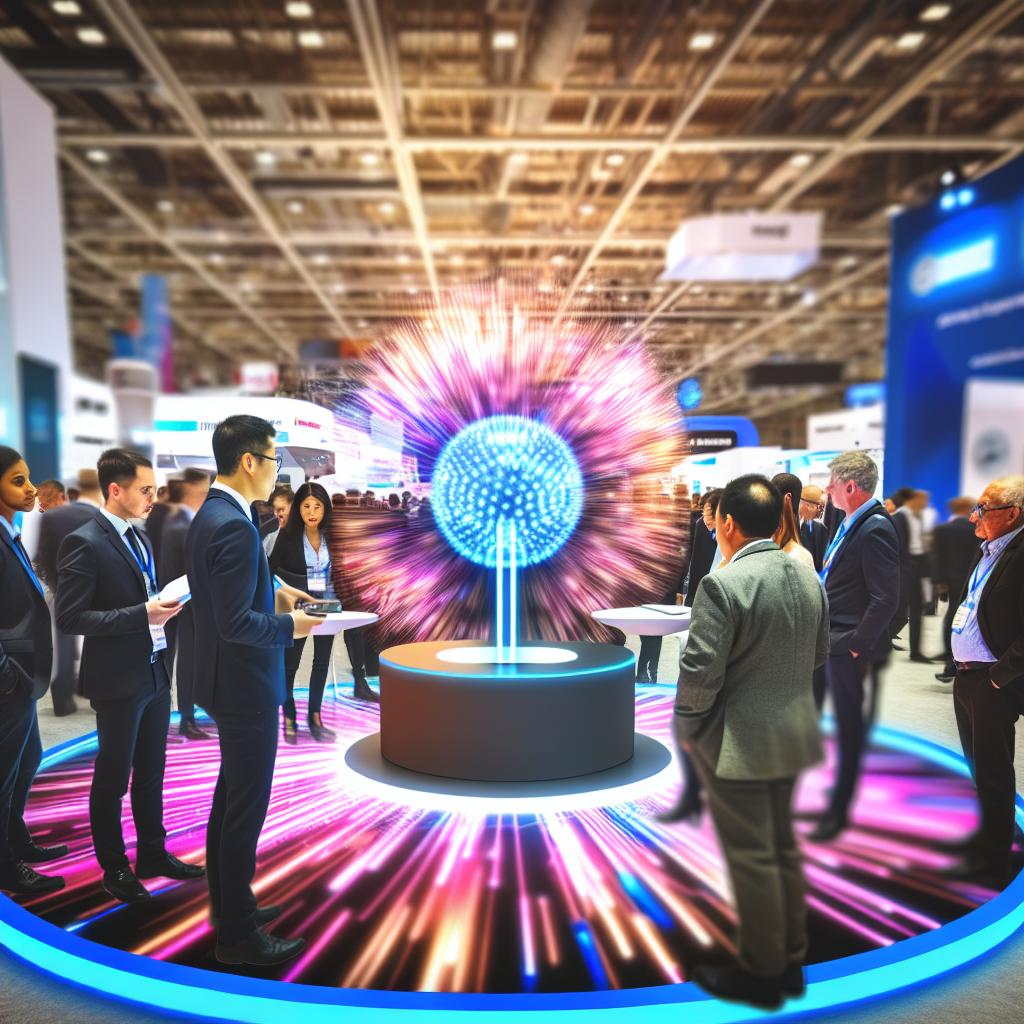
When attendees walk a crowded trade show floor, they don’t stop for paragraphs of text — they stop for visual impact. Before a single conversation begins, your booth’s color, contrast, and messaging clarity are already telling your story. In today’s competitive exhibit environment, understanding how to use color strategically isn’t just a design decision — it’s a marketing advantage.
Trade show attendees process visuals faster than text. That means your exhibit needs to communicate who you are and why you matter almost instantly.
Color plays a major role in this:

Think of your booth like a billboard — if your colors don’t stand out, your message won’t either.
A common mistake exhibitors make is focusing on aesthetics without considering message hierarchy.
Your booth should answer three questions in under 5 seconds:
Color helps structure that communication:
If everything is bold, nothing stands out.
Color theory isn’t just for designers — it directly impacts how your exhibit performs.
Complementary colors (opposites on the color wheel) create strong contrast, making messaging easier to read from a distance.
👉 Ideal for:
Colors that sit next to each other on the color wheel create a smooth, unified look.
👉 Ideal for:
Using variations of a single color creates a polished, minimal aesthetic.
👉 Ideal for:
Three evenly spaced colors create a vibrant, high-energy environment.
👉 Ideal for:
Color doesn’t just attract attention — it influences how people feel and interact.
Your color palette should align with your brand personality AND your show goals.
Most attendees first see your booth from 10–30 feet away. At that distance:
To maximize impact:
✔ Use large-format messaging (3–5 words max)
✔ Pair light text on dark backgrounds (or vice versa)
✔ Keep color blocking bold and intentional
Where you place color matters just as much as which colors you choose.
Top (Hanging Sign / Tower)
→ Bold color + simple branding for visibility across the hall
Middle (Main Messaging Zone)
→ High-contrast headline + core value proposition
Lower (Engagement Area)
→ Softer tones that invite conversation and comfort
This layered approach ensures your booth works at every viewing distance.
One of the biggest issues we see in trade show exhibits is overdesign.
Too many colors =
❌ Visual confusion
❌ Weak messaging
❌ Reduced engagement
Instead:
Less is almost always more on the show floor.
At the end of the day, your booth isn’t just about looking good — it’s about driving results.
The most successful exhibits:
✔ Use color to stop traffic
✔ Use contrast to guide attention
✔ Use messaging to convert interest into conversations
Trade show floors are more competitive than ever. Attendees are overwhelmed with options, and brands only have seconds to stand out.
That’s why at The Tradeshow Network, we focus on designing exhibits where:
Whether it’s a 10×20 inline booth or a 20×20 island exhibit, the right combination of color and messaging can turn your space into a powerful marketing engine.
If your current exhibit isn’t stopping traffic or generating leads, it may not be your product — it may be your presentation.
Let’s rethink how your brand shows up on the show floor.
👉 Explore our custom and packaged rental exhibits designed for maximum visual impact.
 Karin Roberts : Tue, Apr 23, 2024
Trade show exhibit design process with five steps, including pre-planning, discovery, design concept and rendering, proposal, and exhibit building,...
 Karin Roberts : Thu, Oct 26, 2023
Designing an exhibit is hard - here are some trade show design tips to help you share the parameters that you provide us to bring your brand to life...
 Karin Roberts : Tue, Mar 21, 2023
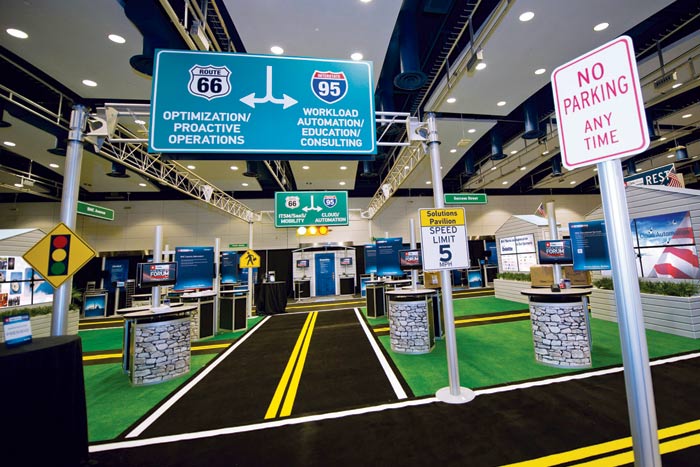
Learn the benefits of incorporating a theme into your trade show booth!