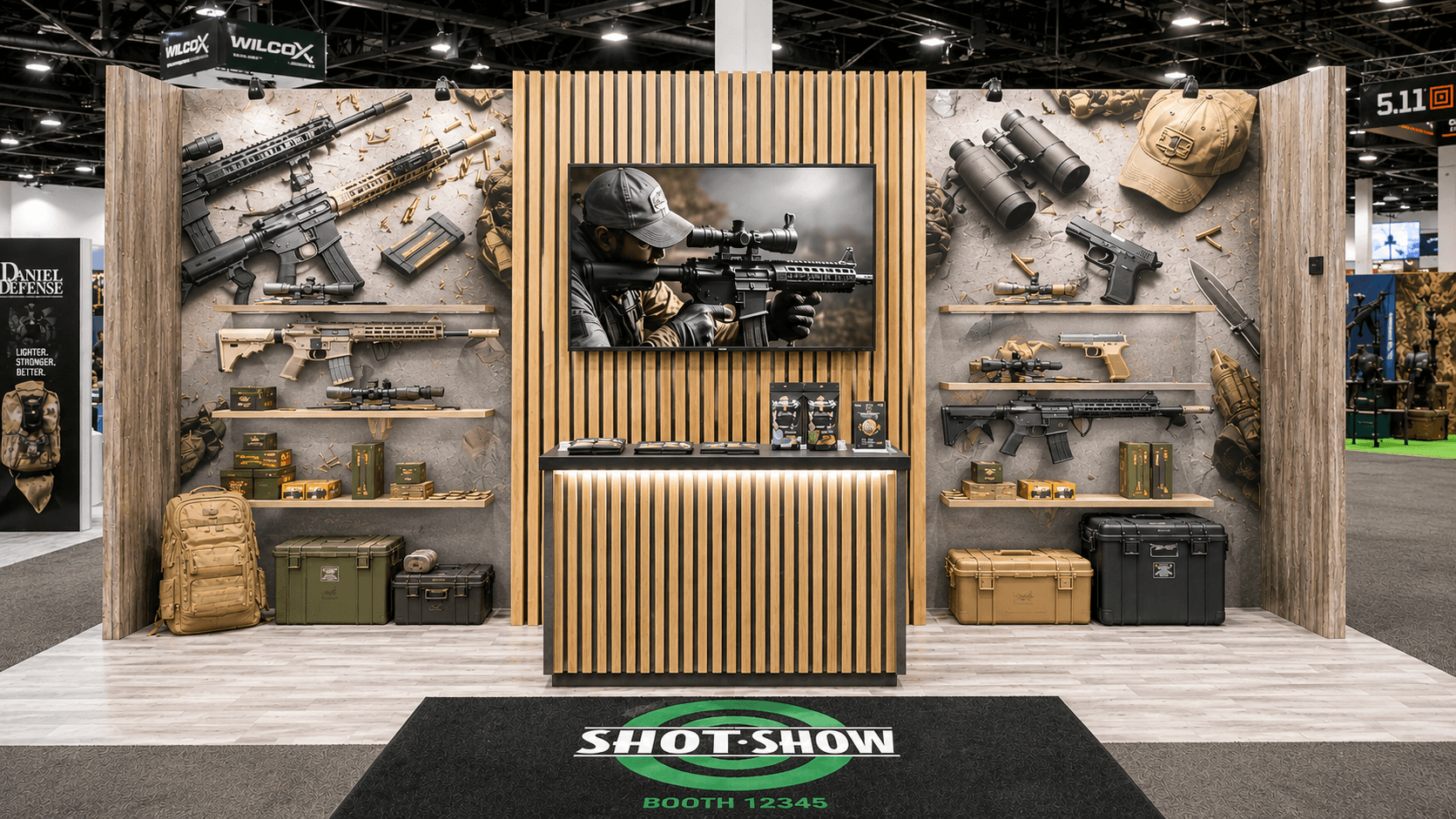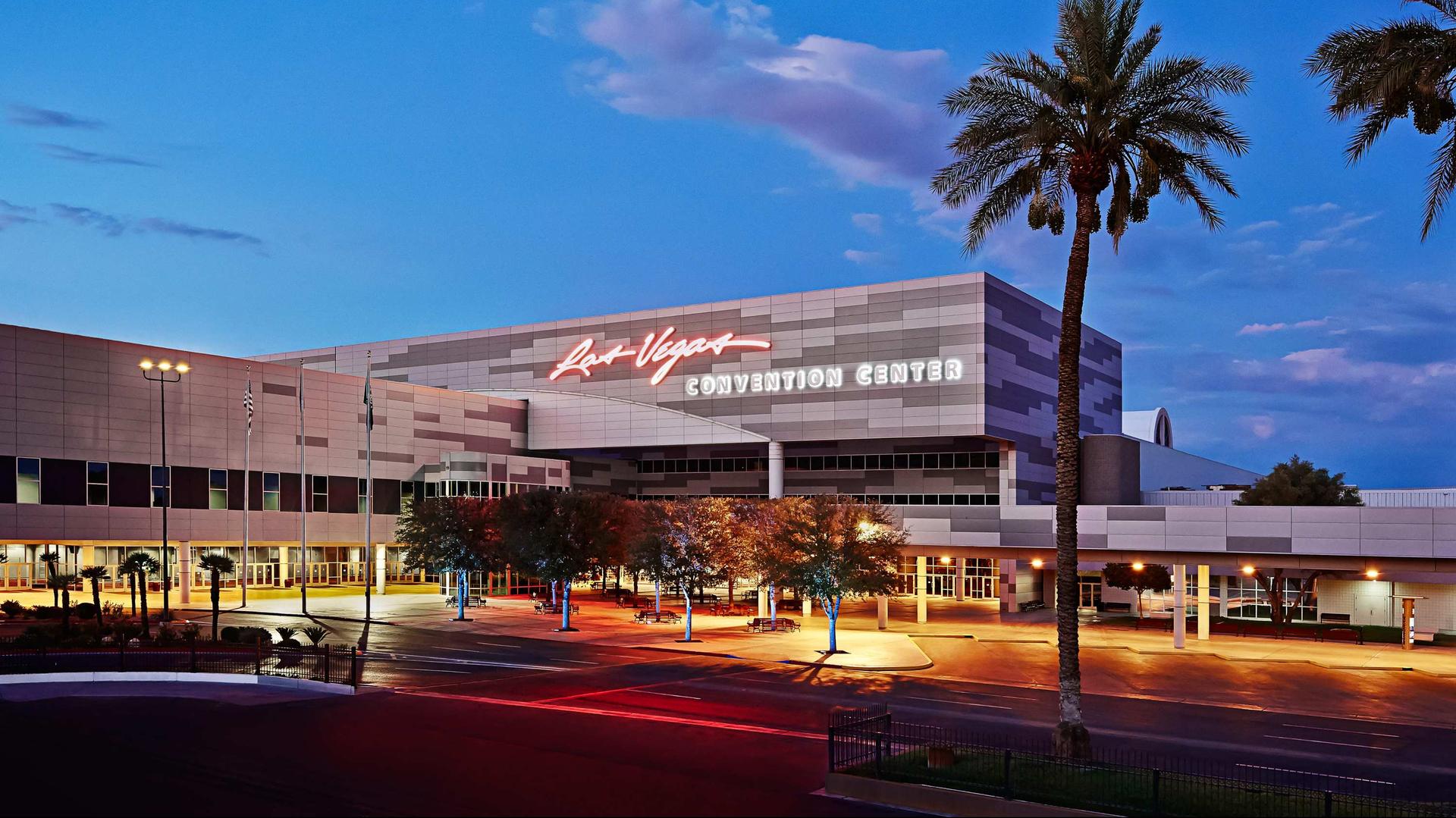

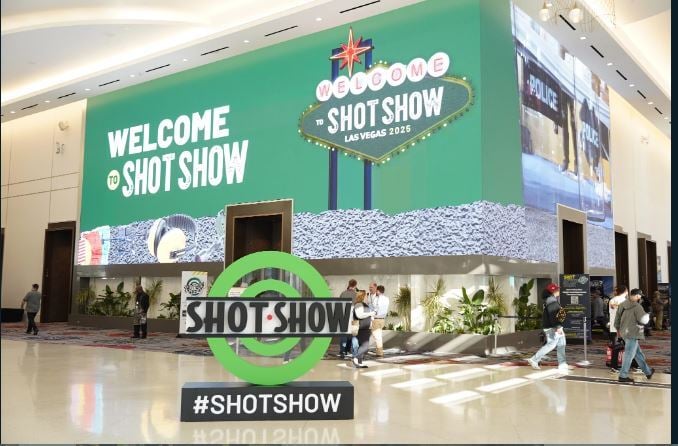
Las Vegas is the world’s premier trade show destination, hosting more than 22,000 conventions each year and drawing 6.6 million convention attendees. With massive venues like the Las Vegas Convention Center (4.6 million sq. ft.), Mandalay Bay (2+ million sq. ft.), and the Venetian Expo (2.25 million sq. ft.), first-time exhibitors have access to an unparalleled range of event opportunities—but also a level of complexity that demands early planning. Ideally, you should begin preparing 6–9 months in advance for larger booths and at least 3–4 months for smaller inline spaces. Beyond your booth rental, factor in hidden costs such as drayage, electricity, internet, furniture rental, and union labor. Partnering with a local Las Vegas exhibit house can help you navigate these details more efficiently, often reducing costs while providing stronger logistical support and on-site service.
Why Las Vegas Leads the Trade Show World
Las Vegas has earned its position as the undisputed global capital of trade shows and conventions through deliberate infrastructure investment and strategic positioning. The city hosts more major industry exhibitions than any other location worldwide, with over 22,000 conventions and trade shows annually generating $11.4 billion in economic impact.
The concentration of exhibition space within a compact area sets Las Vegas apart. The Las Vegas Convention Center, Mandalay Bay Convention Center, and Venetian Expo collectively offer over 11 million square feet of exhibition space within a four-mile radius, connected by monorail and shuttle services. This density enables attendees to efficiently navigate multiple venues while exhibitors benefit from shared infrastructure and vendor services.
Industry research indicates that Las Vegas trade shows achieve 23% higher attendance rates compared to similar events in other cities, largely due to accessibility and the entertainment draw that encourages extended stays. For exhibitors, higher attendance translates directly to more qualified leads and stronger return on investment.
Understanding Major Las Vegas Trade Shows
The Consumer Electronics Show (CES) stands as the world's largest and most influential technology exhibition, attracting over 180,000 attendees annually every January. CES spans 2.9 million square feet across multiple venues and serves as the global launching pad for consumer technology innovations. According to the Consumer Technology Association, CES generates over $300 million in economic impact during its four-day run, making it the single most valuable trade show event in Las Vegas.
NAB Show represents the broadcast, media, and entertainment industry's premier global gathering, bringing 95,000 professionals to Las Vegas each April. The National Association of Broadcasters' flagship event showcases innovations in television production, streaming technology, audio equipment, and digital media solutions across 900,000 square feet of exhibition space.
CONEXPO-CON/AGG dominates the construction industry as North America's largest construction trade show, held every three years in Las Vegas with over 130,000 attendees. The 2026 edition in March will feature 2,000 exhibitors across 2.9 million square feet, making it essential for construction equipment manufacturers, contractors, and industry suppliers.
SEMA (Specialty Equipment Market Association) has emerged as Las Vegas' largest trade show by attendance, with 160,000 automotive aftermarket professionals filling the Las Vegas Convention Center, Venetian Expo, and Caesars Forum each November. World of Concrete, MAGIC fashion marketplace, International Builders Show, and SHOT Show round out the city's roster of major annual events.
Timeline and Planning for Exhibitors
Exhibitors should begin planning their booths much earlier than they might assume. For larger trade show exhibits, starting six to nine months ahead is ideal, while first-time exhibitors with smaller inline spaces should allow at least three to four months for preparation.
This longer runway is essential for effective booth design, fabrication, shipping coordination, and staff training. Compressing the schedule often leads to weaker design choices, rush charges that drive up costs, and unnecessary stress during the crucial setup window.
Once your booth space is confirmed, your first action should be to review the show’s exhibitor manual in detail. These manuals outline venue-specific requirements, union labor rules, move-in and move-out schedules, height limits, hanging sign guidelines, and approved contractor lists. Every Las Vegas venue has its own procedures, and understanding them upfront is critical to avoiding penalties, work stoppages, and installation delays.
Booth Types and Layout Options
Inline booths are the most common and cost-effective choice for first-time exhibitors. Positioned in rows with neighboring booths on both sides and exposure to a single aisle, they typically measure 10' x 10' or 10' x 20', with larger inline configurations available. Inline spaces are ideal for brands that prioritize focused, one-on-one engagement over broad visibility.
Corner booths are located at the end of an aisle, giving you exposure from two directions instead of one. This additional visibility often delivers 20–30% more foot traffic than a standard inline booth, making the higher rental cost a smart upgrade for exhibitors who can justify the added investment.
Peninsula booths feature three open sides with the fourth side backing up to another exhibit. They are especially effective for mid-sized exhibitors who want a near-island presence without paying full island rates. Peninsula configurations generally start at 20' x 20' and support more creative layouts, including multiple engagement areas and product zones.
Island booths are open to aisles on all four sides, providing maximum visibility and access from every direction. These premium spaces usually start at 20' x 20' and are designed for 360-degree branding, taller structures, and fully immersive experiences. While island booths require the highest budget, they create the strongest impact on a busy Las Vegas trade show floor.
Hidden Costs That Surprise Exhibitors
Booth space rental represents only one component of total exhibition costs. Drayage fees for handling and transporting materials from the loading dock to your booth space often shock first-time exhibitors with charges based on weight. A typical 2020 booth might incur $2,000 to $5,000 in drayage costs alone.
Electricity, internet connectivity, compressed air, water, and other utilities require separate orders through show-appointed contractors at premium prices. A basic electrical package providing power for lights and screens might cost $500 to $1,500 depending on amperage requirements.
Furniture rental, carpet or flooring, lighting beyond basic overhead illumination, and booth cleaning services add thousands more to the budget. Labor charges represent another significant expense, particularly in Las Vegas where union requirements mandate the use of approved contractors for many installation tasks.
Smart exhibitors budget 1.5 to 2 times their booth space cost to cover these additional expenses. Working with experienced local providers helps manage these costs since they understand which services are mandatory versus optional and can recommend cost-effective alternatives.
Key Booth Design Strategies for Las Vegas Exhibitors
Standing out in Las Vegas demands bold thinking because you’re competing against seriously impressive exhibits. Eye-catching visuals and clear, consistent branding are non-negotiable, but it’s the interactive elements that truly stop traffic in ways static displays can’t.
Height plays a critical role on Las Vegas show floors, which are vast and visually crowded. Booths without strong vertical features disappear in a sea of competing displays. Because height limits vary by booth type and venue, you need to confirm the exact allowable dimensions before you lock in any design.
Traffic flow also requires strategic planning in a city known for packed, high-energy show floors. Your layout should naturally pull attendees into the space, guide them through your brand story, and lead them toward meaningful conversations with your team—instead of leaving them unsure where to enter or what to look at first.
Finally, graphics production quality has a direct impact on how your brand is perceived at Las Vegas shows, where attendees expect premium presentations. Local providers specializing in Las Vegas trade show graphic production can help ensure your visuals meet major-market standards and align tightly with booth installation schedules.
Staffing Your Booth Effectively
The people you place in your booth are just as critical as the booth design itself. Build a staffing plan that ensures full coverage for all show hours, with scheduled breaks, meals, and rotations so your team stays fresh and engaged throughout long days on the floor.
Trade show-specific training should go beyond standard sales coaching. Booth staff need to know how to welcome and engage passersby without being pushy, quickly qualify who is worth deeper conversation, and smoothly hand off interested prospects to the right next step—whether that’s a demo, a scheduled meeting, or a post-show follow-up—instead of trying to close business on the spot.
Professional appearance also carries extra weight at Las Vegas shows, where impressions are formed in seconds. Dress your team to match or slightly exceed show standards while prioritizing comfort for hours of standing and walking on hard concrete. Many exhibitors invest in polished, supportive footwear and add anti-fatigue mats in key areas of the booth to keep staff energized and ready to interact.
Logistics and Installation Requirements
Understanding Las Vegas union labor rules is essential to avoid costly mistakes and delays. At major venues like the Las Vegas Convention Center and Mandalay Bay, union crews must handle many core tasks, including electrical connections, rigging, and equipment operation. When exhibitors attempt to perform these services themselves, work can be halted and penalties assessed.
Freight must also arrive within strictly defined target dates and time windows. Missing those targets can trigger additional fees and may delay installation if your materials don’t reach the booth when your labor is scheduled. During peak show periods, when multiple events compete for limited dock space, venues enforce these delivery windows rigorously.
Installation and dismantle are almost always compressed into tight schedules. Setup may be limited to overnight hours or narrow move-in blocks, often with several contractors working in the same space at once. Partnering with experienced local teams who understand Las Vegas venue logistics allows you to plan around these constraints, coordinate vendors efficiently, and keep your project on schedule.
How to Make Your Las Vegas Trade Show a Success
Exhibitors rarely deliver flawless shows, but careful planning and clear, realistic expectations can produce strong, measurable results that justify – and often multiply – the investment. Success at Las Vegas trade shows starts with understanding the environment, building a detailed plan, and partnering with seasoned professionals who know the city’s venues, rules, and logistical nuances inside and out. That means going beyond basic booth design to anticipate labor requirements, material handling, electrical and AV needs, and on-site service so there are no surprises once you hit the floor. When you align your exhibit strategy, show objectives, and budget with how Las Vegas actually operates, you dramatically reduce risk and increase your ability to execute.
Because Las Vegas trade shows are intensely competitive, minimal effort quickly fades into the background, while well-planned, well-executed exhibits generate substantial business impact. Attendees are surrounded by high-end booths, immersive AV, and interactive experiences; a simple backdrop and table will not capture attention for long. In contrast, exhibitors who invest in strong creative, targeted messaging, and interactive demonstrations consistently see higher-quality conversations, better lead capture, and stronger post-show pipeline. The city’s infrastructure, attendee volume, and highly professional show environment create exceptional opportunities for organizations prepared to compete at the highest level. With the right partners and a data-driven plan—covering pre-show promotion, in-booth engagement, and post-show follow-up—Las Vegas can become a cornerstone of your annual marketing strategy rather than a one-off expense, delivering repeatable, trackable returns year after year.