Momentum builds on trade show industry restart
 Karin Roberts : Thu, Mar 11, 2021
The trade show event industry is moving forward with a restart by May 2021. World of Concrete is set to happen in June - let's all support them!
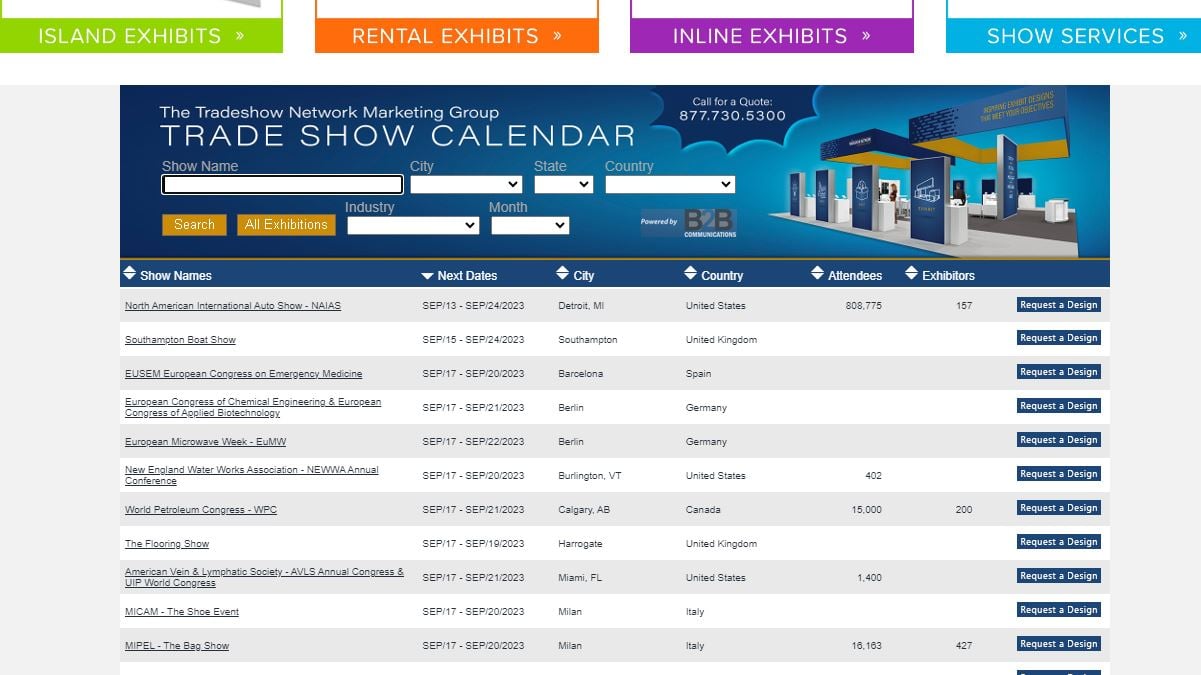
In 2026, the global trade show industry is projected to reach $88.6 billion, growing at a 5.3% annual rate. In the U.S., the events industry is expected to grow at a 14.34% CAGR from 2026 to 2032, reaching $3.2 trillion by 2032. Additionally, the exhibition services market is anticipated to grow from $5.76 billion in 2024 to $10.62 billion by 2033, with a CAGR of 7.25% from 2026 to 2033. A substantial 95% of exhibitors prefer face-to-face interactions over virtual formats, highlighting the enduring value of personal connections in business. As companies prepare for the upcoming year, aligning strategies with these industry trends will be crucial for maximizing impact and return on investment.
To make the most of trade shows next year, marketing must take a strategic approach that integrates technology, interactive design, sustainability, and authentic human engagement at every stage. Leveraging emerging digital tools and immersive AV solutions attracts attention, but true impact comes from delivering experiences that are both memorable and measurable. Incorporating modular booth designs and engaging touchpoints helps brands stand out while also adapting to various show formats. Equally important, weaving in sustainable practices—like using eco-friendly materials and energy-efficient displays—not only demonstrates corporate responsibility but also resonates with today’s values-driven attendees. By prioritizing personal connections alongside high-tech innovation, brands can foster meaningful relationships that translate into measurable ROI and long-term success.
In 2026, immersive technology will be a cornerstone of booth strategy. AR and VR allow attendees to interact with your products or services in ways that aren’t possible with traditional displays:
Virtual demos for oversized or complex products
AR overlays providing instant product information on mobile devices
VR experiences letting attendees “test” services before purchasing
Avoid gimmicks unrelated to your business—every interactive element should reinforce your brand message.
Artificial Intelligence and data analytics will help CMOs craft highly personalized experiences. Real-time tracking of attendee behavior, preferences, and engagement allows for tailored follow-ups and improved lead conversion after the show.
Practical AI applications for 2026 trade shows include:
Heat mapping to optimize booth layout
Lead scoring to focus on high-potential prospects
Post-show analytics to evaluate ROI and refine future plans
The Trade Show Network emphasizes creating booths that invite participation rather than passive observation. In 2026, the shift toward experiential marketing will continue:
Touchscreens, gesture-controlled exhibits, and immersive environments engage visitors on a deeper level
Modular booths allow brands to scale or adapt their setups without compromising visual impact
Interactive experiences should always focus on the attendee, not just showcasing tech
Example strategies for 2026:
A logistics brand displaying live package tracking worldwide
Food or beverage companies allowing visitors to customize products
Cybersecurity firms offering hands-on “challenge” activities
Sustainable design will be non-negotiable in 2026 trade show marketing plans. Incorporating eco-friendly materials, reusable components, and energy-efficient technologies not only reduces costs but strengthens brand reputation among environmentally conscious audiences.
Tips for sustainable booths in 2026:
Use LED lighting to reduce energy consumption
Opt for digital handouts instead of heavy brochures
Reuse modular booth components across multiple events
Even with advanced technology, authentic human interaction remains the key differentiator. In 2026, CMOs should focus on experiences that prioritize personal connections:
Train staff to engage attendees thoughtfully, not just deliver a pitch
Include subject-matter experts to answer real questions
Design spaces that encourage conversation and networking
Avoid disengaged booth staff or scripted interactions—human authenticity drives lasting impressions.
A successful 2026 trade show marketing plan requires careful timing, strategic design, and a clear focus on attendee experience. The Trade Show Network provides the expertise and support to:
Align booth design, technology, and interactivity with your brand goals
Plan modular, scalable setups for multiple events
Integrate sustainable practices without sacrificing impact
Leverage AI and data analytics for personalized engagement and measurable ROI
By following these principles, your 2026 trade show strategy won’t just look good—it will deliver results.
 Karin Roberts : Thu, Mar 11, 2021
The trade show event industry is moving forward with a restart by May 2021. World of Concrete is set to happen in June - let's all support them!
 Karin Roberts : Thu, Feb 09, 2023
it’s important to keep up with new corporate trade show event industry trends to make your events more successful than ever.
 Karin Roberts : Thu, Apr 22, 2021
Trade shows are starting to open and provide dates for shows - now is the time to plan for that trade show booth experience and help grow your...